
Wine and Spirits Essentials
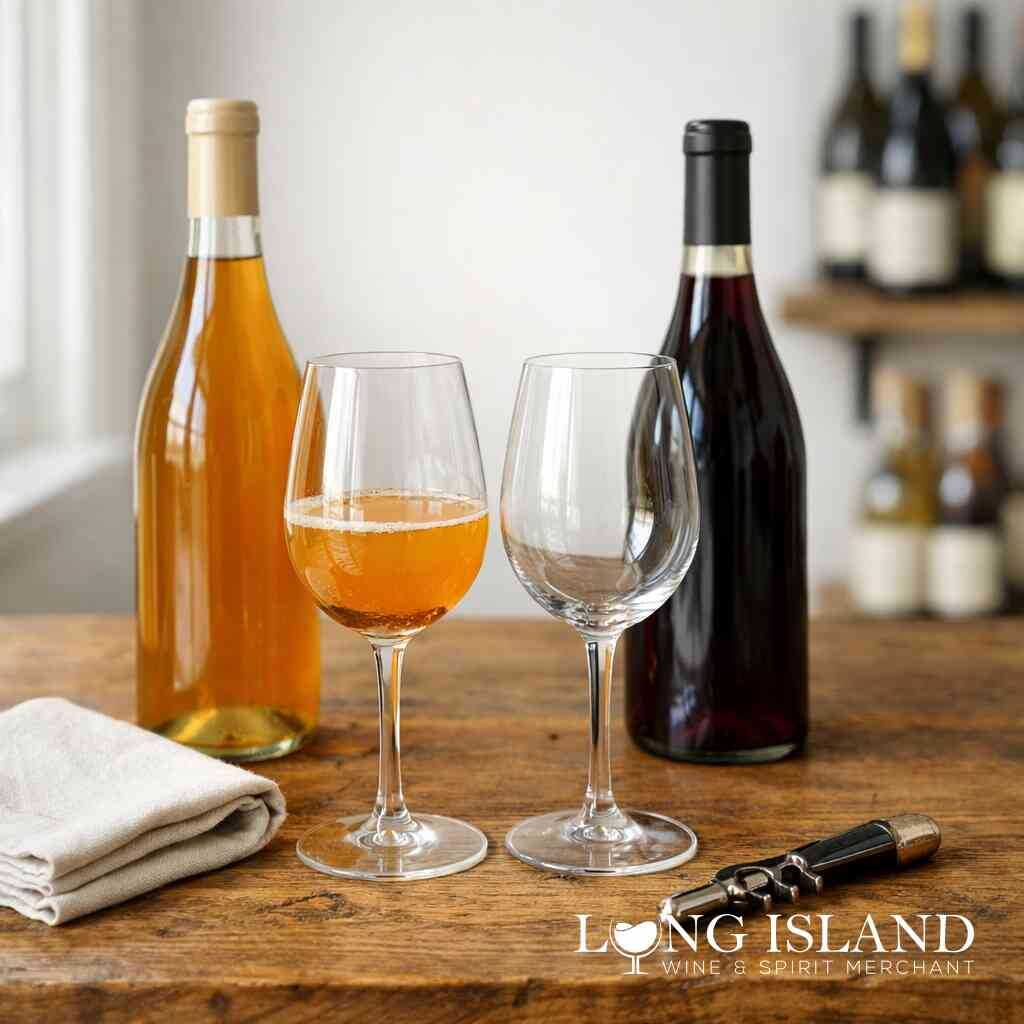
Natural wine tastes different because it is made with less manipulation in the cellar, so the grape, the fermentation, and the place come through more directly. That often means brighter acidity, more texture, occasional funk, and more bottle
Natural wine tastes different because it is made with less manipulation in the cellar, so the grape, the fermentation, and the place come through more directly. That often means brighter acidity, more texture, occasional funk, and more bottle variation than the cleaner, more predictable conventional wine flavor profile.
Natural wine tastes different because the winemaker steps back and lets fermentation, texture, and terroir speak louder. That can create a wine that feels more alive, but also less polished than a conventional bottle. If you are opening one for the first time, that surprise is normal, especially if you expected the tidy, familiar profile of a mainstream fine wine.
The first thing you may notice is not flavor alone. It is texture, aroma, and the way the wine finishes. A natural wine may smell like bruised apple, citrus peel, herbs, or earth, then land with sharper natural wine acidity and a looser feel on the palate. Conventional wine is usually built to taste cleaner and more consistent, which is why its fruit often feels rounder and its edges softer.
Here is the part most people miss: wine aroma differences often show up before flavor does. A glass can seem funky, smoky, or a little savory, even when the grape is familiar. That is why the same varietal can feel dramatically different in natural wine and terroir compared with a standard commercial bottling. On Jericho Turnpike in Commack, we hear this all the time from shoppers trying natural wine for the first time.
One customer stopped in after a dinner party where a friend brought a cloudy bottle that tasted, in their words, “a little wild but oddly good.” That reaction makes sense. Natural wine is often less about a polished recipe and more about expression. If you are used to a conventional red wine like Cabernet Sauvignon or Merlot, the shift can feel immediate.
Natural wine often tastes more “alive” because it keeps more of the grape’s raw personality. The winemaker may use no-added-yeast wine methods, limit filtration, and keep sulfur additions low. The result can be more brightness, more savory notes, and more visible change as the bottle opens up in your glass. StyleTypical tasteTextureConsistencyNatural wineFunky, earthy, tart, sometimes oxidativeOften grippier or more texturedBottle variation is commonConventional wineClean, fruit-forward, familiarUsually smoother and more polishedMore uniform bottle to bottleThat does not make one style better than the other. It just means they are built for different experiences. If you want a predictable white wine, rosé, or sparkling wine, conventional production may feel easier. If you want something that changes in the glass and rewards a little patience, natural wine may be the better fit.
If you want a guided starting point, our Wine Taste Quiz can help narrow the style before you shop, and our wine pairing pages can help match the bottle to the meal.
Natural wine is different because the cellar work is lighter and less corrective. Instead of adjusting every detail for consistency, the winemaker leans on grapes, yeast, and fermentation to do more of the work. That is why natural wine fermentation can taste less uniform, more textured, and sometimes a little unpredictable compared with conventional bottling. 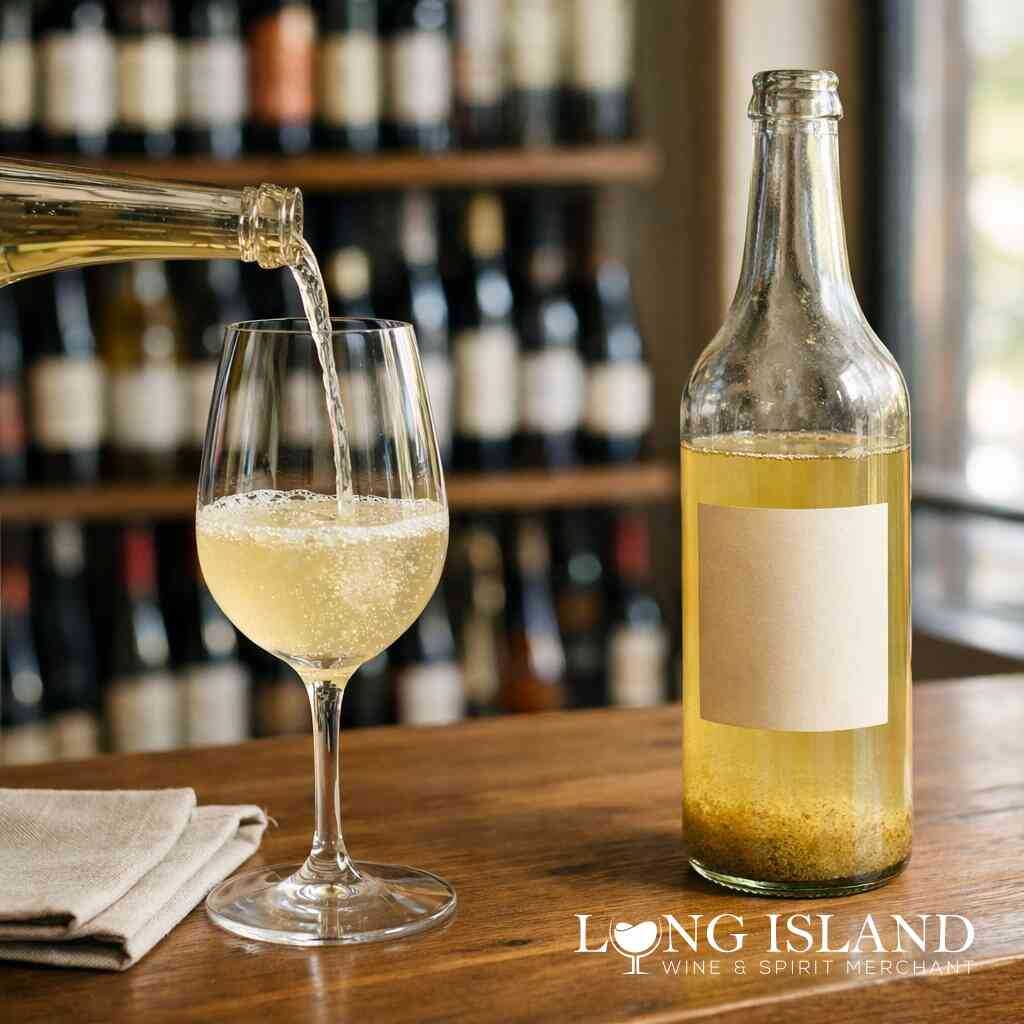
With wild yeast fermentation, the yeast already on the grape skins and in the winery drives the ferment. That can build more layered aromas, but it can also create more variation in pace, temperature behavior, and final flavor. In minimal intervention wine, the point is not to erase those differences. The point is to preserve them.
Conventional methods often use cultured yeast, fining agents, stronger filtration, and more sulfur management to lock in a desired style. That usually produces a cleaner, steadier result. Natural wine may taste more rustic because it carries more fermentation byproducts, more tension, and sometimes more bite. That is the tradeoff. You get more character, but less control.
A quick comparison helps:
If you are comparing styles at home, the differences can feel even bigger with orange wine, pet-nat, or skin-contact wine. Those wines lean into texture and savory notes, which can make them seem more structured than a standard chilled white. If you are exploring that lane, our natural and organic guide is a useful place to start, and the broader natural wine overview goes deeper on the style.
Unfiltered wine and unfined wine keep more solids in the bottle, which is why they can look hazy or show sediment. That does not automatically mean spoilage. It usually means the wine was handled less aggressively, so the appearance is part of the style. Low-sulfite wine can also taste more open, more reactive, and sometimes more expressive, especially after the bottle has been open for a little while.
The texture of natural wine often comes from what remains in the wine, not just what was added. Sediment may settle in the bottom, a cloudiness may linger in the glass, and one bottle may taste slightly different from the next. That is bottle variation in natural wine, and it is one of the defining features of the category.
For shoppers who want to compare a specific style side by side, our sparkling selection and organic red pages are useful examples of how these wines can show up in the store. If you prefer a lighter, fresher profile, a sweet white wine or a crisp sauvignon blanc may feel more familiar than a cloudy bottle. If you are unsure, that is exactly when a knowledgeable wine and spirits merchant helps.
One more practical note: if you are ordering wine delivery Commack, or comparing buy wine online Long Island options, ask for help with style rather than just grape name. A good recommendation is often the difference between a pleasant surprise and a bottle that feels too strange for the table. For a local option, Long Island Wine & Spirit Merchant in Commack can help you sort through natural wine, organic wine, and everyday fine wine choices without making it complicated.
Question: Why does natural wine taste different from conventional wine, and how can Long Island Wine & Spirit Merchant help me choose the right bottle?
Answer: Natural wine tastes different because it usually involves wild yeast fermentation, minimal intervention wine practices, and less filtration or fining than conventional winemaking methods. That can lead to more natural wine acidity, earthy wine flavors, funky wine notes, and sometimes bottle variation in natural wine. The conventional wine flavor profile is usually cleaner, smoother, and more consistent from bottle to bottle. If you want help narrowing it down, Long Island Wine & Spirit Merchant in Commack can guide you with wine recommendations, sommelier selections, and a wine taste quiz so you can find a bottle that fits your taste, meal, and comfort level.
Question: What should I expect from unfiltered wine, unfined wine, or low-sulfite wine if I am new to natural wine?
Answer: If you are new to natural wine, expect a little more texture, a cloudier wine appearance, and sometimes wine sediment at the bottom of the bottle. Unfiltered wine and unfined wine are often made with less manipulation, which can make them feel more expressive but also less predictable. Low-sulfite wine may open up beautifully, but it can also change a bit in the glass as it breathes. Our team at Long Island Wine & Spirit Merchant can help you choose between natural wine, organic wine, and more conventional fine wine options so you can start with something approachable, whether you are shopping in-store, using curbside pickup, or exploring buy wine online Long Island options.
Question: Is Why Does Natural Wine Taste Different from Conventional the same thing as choosing organic wine or biodynamic wine?
Answer: Not exactly. Natural wine, organic wine, biodynamic wine, and sustainable wine can overlap, but they are not identical. Natural wine focuses more on minimal intervention wine practices, often with wild yeast fermentation, low-sulfite wine, and little filtration. Organic wine is defined more by how the grapes are grown, while biodynamic wine follows a specific farming philosophy. Because of those differences, taste can vary a lot, from tart natural wine and orange wine to smoother, fruit-forward styles. At Long Island Wine & Spirit Merchant, we can help you compare these styles and pick a bottle that matches your preferences without making the process feel overwhelming.
Question: What food pairings work best with natural wine, and do you carry options that suit different meals?
Answer: Natural wine can pair wonderfully with food because its acidity, texture in natural wine, and savory character often work well with a wide range of dishes. For example, skin-contact wine, pet-nat, and orange wine can be excellent with rich cheeses, roasted vegetables, grilled fish, or spiced dishes. A more structured red wine may suit steak, while a bright white wine or rosé can feel lighter for chicken, seafood, or warm-weather meals. Long Island Wine & Spirit Merchant can offer food pairing with natural wine suggestions, plus wine recommendations for everyday dinners, holiday gatherings, wedding wine, party wine, or a wine gift basket when you want something extra thoughtful.
Question: Can I get natural wine delivery Commack or wine delivery service Long Island if I want to try something new at home?
Answer: Yes, if you are looking for wine delivery Commack or a broader wine delivery service Long Island, Long Island Wine & Spirit Merchant is a convenient option to check for natural wine, fine wine, red wine, white wine, sparkling wine, and other wine and spirits selections. If you are not sure what style you want, we can help guide you toward natural wine, organic wine, or a more conventional bottle based on your preferences. We also offer a helpful local shopping experience for people searching for a liquor store Commack, liquor store open now, or alcohol delivery near me, making it easier to find the right bottle for dinner, a gift, or a last-minute occasion.
Order online for same-day or next-day Long Island delivery, free curbside pickup in Commack, or wine shipping to the states where it is legal.
Shop now Take the quiz