
The Difference Between Natural and Organic Wine in Commack
October 4, 2026
You promised to bring a bottle tonight, and now you’re staring at labels in a Commack wine shop like they’re written in code. That feeling is common. People ask for natural wine and mean something organic, lower in additives, or just easier to drink. Others want organic wine and really want a bottle that tastes clean and feels thoughtful. Here’s the part most shoppers miss: those words overlap, but they do not mean the same thing.
Why that bottle labeled natural is not the same as organic when you’re standing in a Commack wine shop
The quick label test that shoppers in Commack and along Jericho Turnpike usually miss
The fastest label test is simple. Organic usually points to farming. Natural usually points to winemaking style. That difference matters when you’re standing near Jericho Turnpike with dinner on your mind and no time to overthink it. If you are feeling that last-minute pressure, take a breath. Most people do.
A bottle can be organically grown and still be made in a very conventional cellar. A natural wine can come from grapes that were not certified organic at all. That is why the label alone can mislead you. On the floor of a busy liquor store Commack customers often ask for the “healthiest” option, but what they usually want is the bottle that tastes good and feels trustworthy.
One customer from near Smithtown once came in after a workday that had clearly gone sideways. He wanted “the natural one,” but he also wanted something polished enough for grilled salmon. We talked through texture, acidity, and freshness instead of just the label. He left with a bottle that fit the meal, not the buzzword.
Organic farming in wine versus minimal intervention wine and why those terms get mixed up
Organic farming in wine begins in the vineyard. Growers avoid most synthetic herbicides, pesticides, and fertilizers, and certification rules can vary by region. That means organic is a farming commitment first. By contrast, minimal intervention wine is more about what happens after harvest. The cellar choices may be looser, more hands-off, and sometimes intentionally less polished.
That is why the terms get mixed up so often. A bottle can taste bright, cloudy, and wild, yet still not be organically farmed. Another bottle can come from certified organic grapes and still taste very refined. If you are shopping for fine wine in Suffolk County, that distinction saves time and disappointment.
Here is the practical version. Ask where the grapes were grown. Then ask how the wine was made. Those two questions tell you far more than a front label ever will.
How natural wine, low-sulfite wine, vegan wine, and clean-label wine overlap without meaning the same thing
These terms live close together, but they are not twins. Natural wine often suggests native yeast fermentation, little filtering, and fewer cellar corrections. Low-sulfite wine focuses on sulfur dioxide levels, not the whole philosophy. Vegan wine simply means no animal-based fining agents were used. Clean-label wine is a shopper-friendly phrase, but it is not a regulated category in the same way.
The overlap can be useful if you know what you want. Maybe you care about texture. Maybe you want fewer processing steps. Maybe you just want something that feels lighter on the palate. A good shop should sort those needs out without turning it into a lecture. That is exactly why people looking for wine recommendations near Commack often ask for help instead of guessing.
At Long Island Wine & Spirit Merchant, the conversation usually starts with flavor. Philosophy matters. So does enjoyment. But the bottle still has to get opened and finished.
Why Long Island wine shoppers asking for wine delivery Commack often want flavor first and philosophy second
People searching for wine delivery Commack usually have a real-life problem. They need a bottle for dinner, a gift, or a small gathering that crept up fast. They are not always looking for a seminar on wine science. They want to know what will pour well, pair well, and arrive without stress.
That is why the question is often practical before it is ideological. Do you want something crisp, soft, bold, or easygoing? Do you need red wine, white wine, rosé, or sparkling wine? Do you need it for a steak night, a chicken dinner, or a seafood spread? Once those answers are clear, the natural-versus-organic question gets much easier.
If you want help sorting the options, our wine recommendations near Commack for natural and organic bottles can point you in a useful direction.
What actually changes from vineyard to cellar when a wine is natural or organic
How organic wine starts in the vineyard with farming choices and certification rules
Organic wine starts long before grapes hit the press. It starts with the soil, the canopy, and the pest strategy. In practice, that means fewer synthetic chemicals and more attention to vine balance. Certification can add another layer, and that matters because standards are not identical everywhere. A bottle can talk about organic farming without being certified in the way you assume.
This is where people get tripped up in a wine shop near me search. They see a clean-looking bottle and assume the farming was clean too. Sometimes that is true. Sometimes it is not. Good retailers should know the difference and explain it plainly.
On the projects we’ve seen this year, the most useful question has been, “Was the fruit farmed organically, sustainably, or biodynamically?” That question opens the door to a better bottle choice.
Where natural wine gets more hands-off through native yeast fermentation, unfiltered wine, and unfined wine
Natural wine usually gets more hands-off in the cellar. Native yeast fermentation lets wild yeast from the grape skins and winery environment do the work. Unfiltered wine keeps more texture in the glass. Unfined wine skips some of the polishing steps used to clarify wine. None of those choices automatically makes a wine better. They simply make the wine different.
The result can be vivid, cloudy, savory, or deeply expressive. It can also feel a little less predictable. That unpredictability is part of the charm for many drinkers. For others, it is a reason to keep things simple. Both reactions make sense.
StyleWhat it often meansWhat you may noticeNative yeast fermentationLess commercial yeast influenceMore earthy or layered aromasUnfiltered wineLess polishing before bottlingHazy appearance, more textureUnfined wineFewer clarifying agentsFuller feel, sometimes more sedimentIf you like that style, our natural wine trends at a Long Island wine shop gives a broader sense of what people are enjoying now.
Why biodynamic wine and sustainable wine come up in the same conversation but are not identical
People often group biodynamic wine and sustainable wine together, but they are different ideas. Biodynamic farming follows a more holistic philosophy tied to vineyard rhythms and specific preparations. Sustainable wine focuses more on long-term environmental, social, and economic balance. Organic wine sits in a different lane again because it centers on farming inputs and certification standards.
That difference matters if you care about the story behind the bottle. It also matters if you care about how the wine tastes. A sustainable bottle can be bright and classic. A biodynamic bottle can be textured and expressive. A natural bottle can be both, or neither, depending on the producer.
The best approach is not to chase the label. It is to match the label to your taste.
How grape growing in the Long Island wine region and North Fork wines shape what ends up in the glass
The Long Island wine region gives you a very different conversation than Napa or Bordeaux. Coastal air, humidity, and seasonal swings shape how grapes ripen. That matters for freshness, acidity, and texture. North Fork wines often show the region’s balance: ripe fruit, but not too heavy; structure, but not too stern.
You can taste that regional character in a bottle of Cabernet Sauvignon, Chardonnay, or sparkling wine from local producers. The point is not that every Long Island bottle tastes the same. The point is that place leaves fingerprints. If you want a deeper look at the region, our North Fork wine region and Long Island wine guide is a strong place to start.
Which bottle belongs on your table and which one belongs in your cart
The tasting clues that help you tell red wine, white wine, rosé, and sparkling wine apart without overthinking it
A quick tasting clue can save the whole evening. Red wine usually brings more tannin, darker fruit, and a fuller feel. White wine tends to be lighter, brighter, and more acid-driven. Rosé sits between them, with red-fruit freshness and easy drinkability. Sparkling wine and Champagne add lift, texture, and a festive snap.
StyleTypical feelEasy food matchRed wineStructured, bold, or silkySteak, lamb, mushroomsWhite wineCrisp, floral, or citrusyChicken, fish, saladsRoséFresh, dry, versatilePicnic food, roast chickenSparkling wineBright, celebratory, cleansingSalty snacks, fried foodIf you are choosing between Cabernet Sauvignon and Pinot Noir, think about the meal first. If the food is rich, you may want more structure. If the meal is lighter, lean toward freshness. That simple rule helps more than most people expect.
What natural wine usually tastes like when you want something lively versus something polished
Natural wine can taste lively, crunchy, savory, and a little wild. Sometimes it has a slight fizz or a cloudy appearance. Other times it feels calm and elegant, with very little funk. That range is why the category is exciting and confusing at the same time. The mistake we see most often is assuming all natural wines taste edgy.
If you want something lively, look for brightness and lift. If you want something polished, ask for a bottle with cleaner fruit and a more familiar structure. A natural wine does not have to be strange to be interesting. It just tends to show less cosmetic smoothing.
For a bottle that fits your style, a quick wine shop near me in Commack search should lead you to a store that asks questions before handing you a bottle.
When organic wine makes sense for weeknight drinking, wine pairing, or a dinner with steak, chicken, or seafood
Organic wine makes sense when you want a clean, thoughtful bottle that still plays well at the table. It can be ideal for weeknights because it often tastes balanced and straightforward. It also works when you want the bottle to match the meal, not dominate it. If you are asking what wine goes with chicken or the best wine for steak, the answer depends more on weight and sauce than on labels alone.
A few useful pairings:
- Chardonnay with roast chicken or creamy pasta
- Pinot Noir with salmon or mushrooms
- Cabernet Sauvignon with steak
- Sauvignon Blanc with shellfish or herb-driven dishes
- Rosé with grilled vegetables or takeout pizza
If seafood is on the menu, our wine pairing for seafood on Long Island guide can help you choose with less guesswork.
How a Commack liquor store can steer you toward sommelier selections that fit holiday wine, wedding wine, party wine, or corporate gifts
A good Commack liquor store does more than ring up a sale. It listens, narrows the field, and points you toward the right bottle for the occasion. That matters when you need holiday wine, wedding wine, party wine, or corporate gifts. The best picks are the ones people actually enjoy opening. Here is where sommelier selections help. If a store has staff with serious tasting experience, they can translate style into plain language. Our in-house sommelier’s WSET training helps with that kind of recommendation. It is not about sounding fancy. It is about getting the match right. 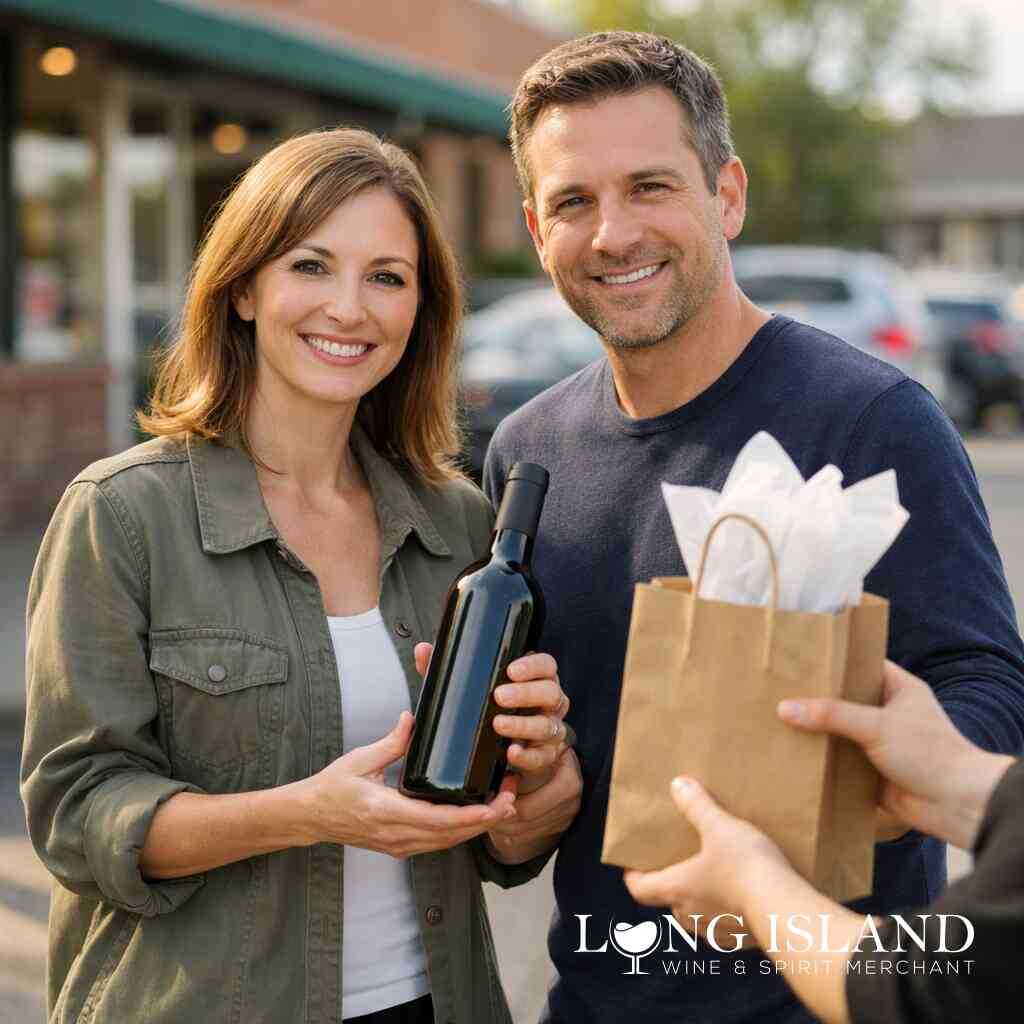
If you need a bottle that feels polished without being fussy, ask for something balanced, food-friendly, and crowd-pleasing. If you need a gift, ask for structure, broad appeal, and presentation. The right answer usually comes fast once the question is clear.
How to buy the right wine in Commack without guessing at the shelf
What to ask for at a liquor store Commack when you want organic wine, natural wine, or a simple bottle for tonight
When you walk into a liquor store Commack, ask three things. First, ask whether the grapes were farmed organically. Second, ask how much intervention happened in the cellar. Third, ask what the wine tastes like in plain English. That last question is the most important. A label can tell you the philosophy, but the palate decides the purchase.
You can also be direct. Say you want organic wine choices at a Commack wine store. Say you want something low-sulfite. Say you want a clean, easy bottle for dinner. Good merchants hear those requests every day. They know how to turn them into real options.
If you need a deeper shortcut, our difference between natural and organic wine in Commack resource can clarify the basics without making it feel academic.
When wine delivery Commack, same-day alcohol delivery, curbside pickup, or in-store pickup Commack makes the most sense
If your evening is moving fast, wine delivery Commack may be the easiest path. If you are leaving work late, same-day alcohol delivery can save the dinner plan. If you are nearby and want control over the handoff, curbside pickup is a smart middle ground. If you want to browse and choose in person, in-store pickup Commack keeps things simple.
New York alcohol delivery rules still matter, so age verification at purchase and delivery is part of the process. That is normal. It protects everyone and keeps things legal. If you are wondering about logistics, the right shop should explain them clearly instead of waving a hand at the details.
For the practical side, our alcohol delivery in Commack for wine and spirits page is the place to check first.
Why wine recommendations should change with the season from spring wine selection to winter red wines and rosé all day
Season matters more than people think. In warmer months, you may want sharper acidity, lighter body, and bright fruit. In cooler months, winter red wines with more structure and spice often feel better. That is why spring wine selection and summer wine picks lean fresh, while fall and winter naturally pull toward depth.
Rosé all day works when the weather is warm and the food is casual. A richer red fits more comfortably when the air turns sharp. The point is not to obey the calendar. It is to let the season steer the glass. That simple shift improves most purchases immediately.
If you are in Commack, Huntington, East Northport, or Dix Hills, the climate still shapes what people want on the table. Local taste changes with local weather. That is normal, and it is useful.
The local next move for Long Island wine shoppers who want natural wine delivery Commack, wine accessories, or a last-minute wine gift
If you need natural wine delivery Commack, ask for bottles that fit the food and the mood, not just the trend. If you need wine accessories, pick up a decent corkscrew, a decanter, or a clean set of wine glasses so the bottle opens well. If you need a last-minute wine gift, choose something balanced, presentable, and easy to enjoy.
A shopper from nearby Huntington once came in looking for a quick housewarming gift. She did not want a trophy bottle. She wanted something smart, tasteful, and easy to serve with takeout. We matched her with a bottle and a simple gift presentation, and she was out the door quickly. That is often the best win.
For nearby shoppers, curbside pickup at a Commack liquor store can be the cleanest option when you are short on time.
Frequently Asked Questions
Is natural wine always organic?
No, not always. Natural wine describes a style of winemaking, while organic describes farming methods. A wine can be natural without being certified organic, and it can be organic without being made in a natural style. That is the main reason shoppers get confused. If you care about both, ask about the vineyard and the cellar. That gives you the full picture.
Does organic wine taste better than natural wine?
Not automatically. Taste depends on the grape, the region, the vintage, and the winemaker’s choices. Organic wine can taste very polished and classic. Natural wine can taste lively, earthy, or sometimes less familiar. The better question is what style you enjoy most. If you like balance and clarity, ask for that. If you like texture and character, ask for that instead.
Can you really get same-day alcohol delivery near Commack?
Often, yes, if the store offers it and you meet the delivery requirements. New York State alcohol laws require proper age verification, and the retailer must follow local rules. Availability can change by area and time of day, so it is smart to check before you order. If speed matters, confirm the delivery window and stock status before you place the order.
What wine goes with chicken if I want something natural or organic?
Chicken gives you a lot of room. A Sauvignon Blanc works with lemon and herbs. A Chardonnay works with roast chicken or cream sauces. A light Pinot Noir can also be excellent if the dish has mushrooms or richer seasoning. Natural and organic labels can help guide your search, but the sauce and seasoning matter more than the farming style alone.
What is the best sweet red wine for a beginner?
A beginner usually does best with something soft, fruity, and not too tannic. Ask for a sweet red wine with ripe berry flavors and a smooth finish. If you want a bottle for dessert or casual sipping, keep the alcohol moderate and the texture easy. A good shop can point you toward a bottle that feels approachable without being cloying.
Do sulfites in wine matter if I’m sensitive?
Some people are sensitive to sulfites, but most wine reactions are not caused by sulfites alone. The FDA notes that sulfites are present in many foods, and wine is just one of them. If you have a known sensitivity, ask for lower-sulfite options and speak with a medical professional if needed. A wine merchant can help you find a gentler bottle, but not diagnose the issue.
What is the easiest way to get help choosing in Commack?
Ask for a guided recommendation based on food, budget, and style. If you are shopping locally, a good wine shop near me search should lead you to a store that talks with you, not at you. If you want a quick match, use an online quiz or ask for a few options by taste profile. You do not have to figure it all out today. Start with one call, one question, and one bottle that fits tonight.