Selbach Riesling
German Riesling in three styles, from dry-ish to sweet.
The story behind Selbach
Riesling is the grape that made Germany's reputation, and the Mosel is where it reads clearest: slate soils, cool nights, and a long ripening season that keeps acidity high while sugar builds. Selbach is a German Riesling label in that tradition, and the three bottles we carry map the classic ladder of ripeness, from the everyday bottling up through Kabinett and Spatlese.
We have poured these for years because they overdeliver at the price. Expect green apple, lime, and a wet stone edge, with sweetness that climbs as you move up the tiers and acidity that keeps every one of them clean. Serve them cold. They reward a decanter and a plate of something salty.
Explore the Selbach range
Three Selbach Rieslings, three ripeness levels, one grape. Start at the entry bottle and work up.
| Expression | Type | Proof / ABV | Tasting notes |
|---|---|---|---|
| Selbach Riesling 750mL | Riesling | 750mL | Entry bottling, off dry, citrus and slate |
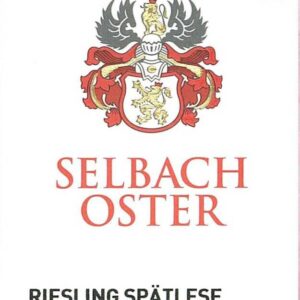
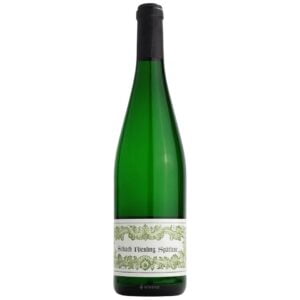
| Selbach Spatlese 750mL | Riesling | 750mL | Late picked, sweeter, ripe peach and honey |
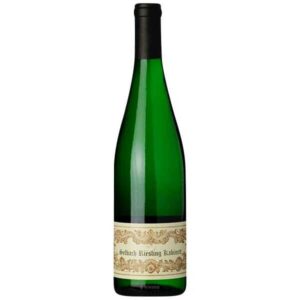
| Selbach Kabinett 750mL | Riesling | 750mL | Light, delicate, green apple, bright acidity |
Which Selbach is right for you?
Selbach is one of the better values on our German shelf. The entry Riesling runs $12.99, the Spatlese $14.99, and the Kabinett $15.98. That is a case you can buy without thinking twice, and the step from one tier to the next costs about two dollars. If you are new to Riesling, take all three and taste them side by side. The difference is the whole lesson.
Off dry, low alcohol, and cheap enough to open on a Tuesday.
Delicate and light, with acidity that reads drier than the label suggests.
Ripe sweetness that stands up to Thai and Sichuan heat.
Selbach cocktails and pairings
Riesling's acidity cuts through fat and heat better than almost any white. Keep it cold and reach for salt, spice, and pork.