
Kessler-zink Riesling
German Riesling, the styles we have sold for years.
The story behind Kessler-zink
Riesling is the grape Germany made famous, and the Prädikat ladder is the reason: Kabinett, Spätlese and Auslese mark increasing ripeness at harvest, not sweetness in the glass. A Spätlese can finish dry; an Auslese is richer and often sweeter. That confusion is the most common thing we untangle at the counter.
Kessler-zink is a German Riesling label we have carried in the Auslese, Spätlese and Trocken styles. We do not claim a village, a vineyard or a founding date we cannot verify. What we can tell you is the house character: clean Riesling fruit, bright acidity, and labels that overdeliver for the price. That is why these bottles keep coming back to the shelf.
Explore the Kessler-zink range
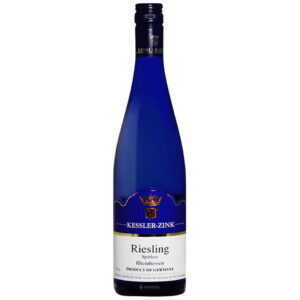
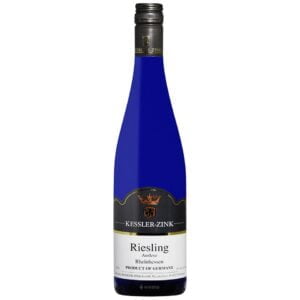
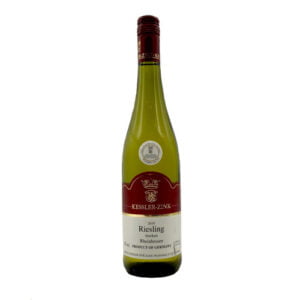
Three Kessler-zink Rieslings, three different jobs at the table. The Auslese is in stock now; the Trocken and Spätlese move fast when they land.
| Expression | Type | Proof / ABV | Tasting notes |
|---|---|---|---|
| Kessler-zink Riesling Auslese 750mL | Auslese Riesling | 750mL | Ripe, honeyed Riesling; sweetness balanced by firm acidity. Serve chilled. |
| Kessler-zink Riesling Trocken 750mL | Trocken Riesling | 750mL | Dry style; crisp green apple and citrus, mineral finish. Bone dry. |
| Kessler-zink Riesling Spatlese 750mL | Spatlese Riesling | 750mL | Late harvest ripeness; off dry to sweet, stone fruit and lime. |
Which Kessler-zink is right for you?
Kessler-zink pricing is the quiet argument for German Riesling. The Auslese is $10.99, the Trocken is $10.99, and the Spätlese is $11.98. Those are everyday prices for wines with real acidity and real fruit, not sugar water. At this money you can keep a bottle cold for weeknight takeout and still open the Auslese when company comes.
Dry and brisk, it cuts through Thai, sushi and anything fried.
A touch of sweetness calms chili heat better than most reds.
Richer and honeyed, it stands up to fruit tarts and blue cheese.
Kessler-zink cocktails and pairings
Riesling's acidity is why it works with food most wines cannot handle. Keep it cold and pour it with heat, salt and fat.