
What Wine to Pair With Pasta and Tomato Sauce
What Wine to Pair With Pasta and Tomato Sauce
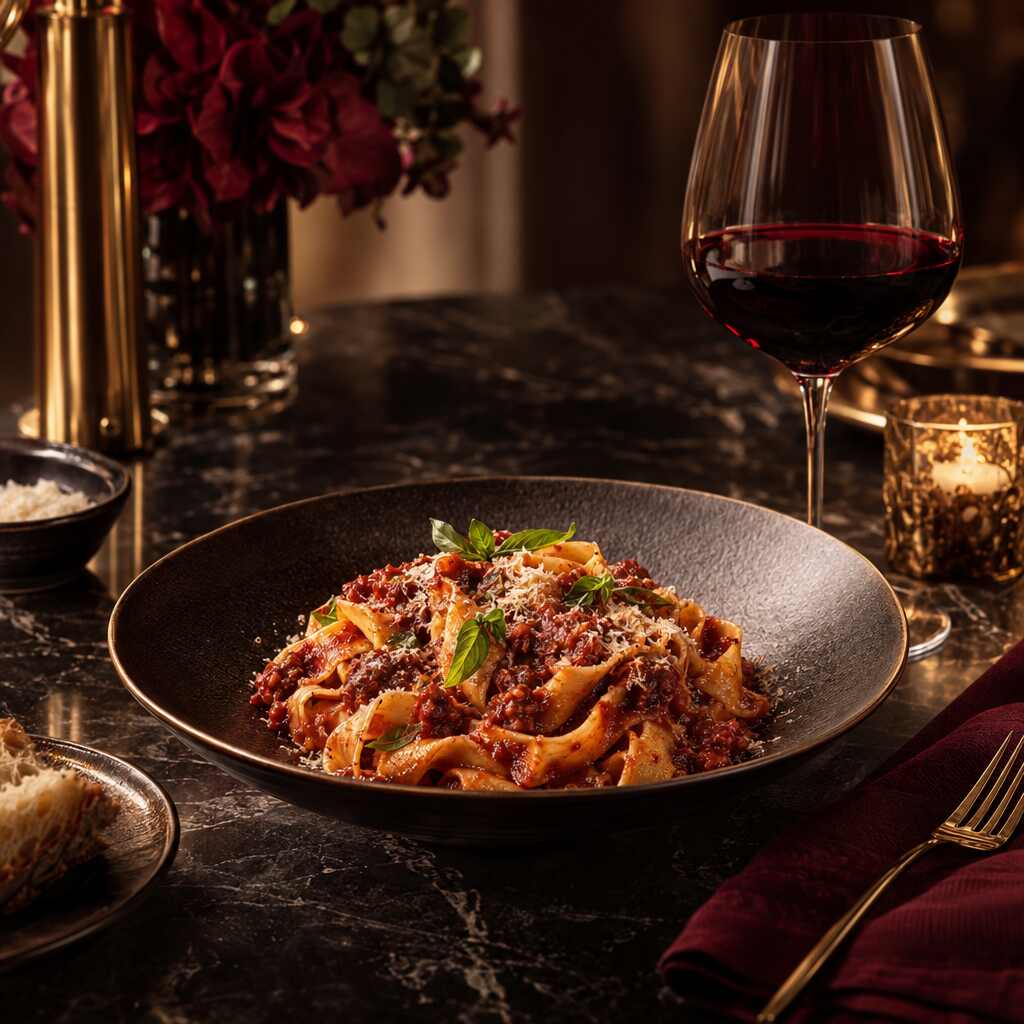
Sangiovese is the classic answer, and Chianti is the easiest bottle to grab: its bright acidity matches tomato’s own acidity and its firm, savory tannin cuts through garlic, olive oil, and grated cheese. For a plain marinara, an everyday Chianti or Barbera is plenty. For a long-simmered meat sauce or sausage ragù, step up to a fuller Italian red or a structured red blend.
Our picks for pasta
Tomato sauce is acidic, so the wine needs equal acid or it tastes flat. Chianti's cherry-and-herb Sangiovese does that, and its tannin scrubs the olive oil and cheese off your palate.
Barbera brings high acid and low tannin, so it works with quick weeknight marinara and won't fight a spicy arrabbiata. Easy to drink at the table without overthinking it.
A ragù with beef, pork, or sausage has fat and depth that a light wine gets lost under. These grapes give darker fruit and more tannin to match the meat.
Shop A fuller Italian red, like a Montepulciano d'Abruzzo or Aglianico
For a Sunday sauce or a special dinner, a richer blend gives you weight and polish. The fruit holds up to long-cooked tomato and the tannin handles braised meat.
Shop A structured red blend, Bordeaux-style or a Super Tuscan style
Why these pairings work
Three things drive this pairing: acid, tannin, and fat.
- Acid meets acid. Tomatoes are acidic. A low-acid wine like a soft Merlot tastes dull and tinny next to marinara. High-acid grapes like Sangiovese and Barbera stay fresh and make the sauce taste sweeter.
- Tannin cuts fat and cheese. Olive oil, butter, and Parmigiano coat your mouth. Tannin from Chianti or a red blend grips that coating and cleans it away, so each bite tastes new.
- Weight should match the sauce. A 30-minute marinara wants a medium-bodied red. A sauce that cooked for four hours with meat wants a bigger wine with more tannin and darker fruit.
Skip oaky, buttery whites and big jammy reds here. Oak and residual sugar clash with tomato. If you want white, choose something crisp and unoaked like a Vermentino or dry Pinot Grigio, and save it for a light garlic-and-oil sauce.
How the preparation changes the pick
The sauce changes the pick more than the pasta shape does.
- Plain marinara or pomodoro: everyday Chianti or Barbera. Keep it medium-bodied and high-acid.
- Arrabbiata or anything with chili: lean to Barbera or a softer Italian red. High alcohol makes heat feel hotter, so avoid the big, boozy bottles.
- Bolognese or ragù: a fuller Italian red like Montepulciano or Aglianico. The fat and meat need tannin.
- Sausage or meatballs in sauce: a structured red blend. The fennel and pork fat stand up to darker fruit.
- Puttanesca with olives and capers: Chianti. The brine and salt want a savory, herbal red.
- Vodka sauce or anything creamy: a red blend with a little more roundness, or a crisp unoaked white. Cream softens tannin, so the wine can be softer too.
- Baked pasta with mozzarella: a red blend. The browned cheese and extra fat want more weight.
Serve reds slightly cool, around 60 to 65 degrees, not warm room temperature. A Chianti served too warm tastes flabby next to tomato.