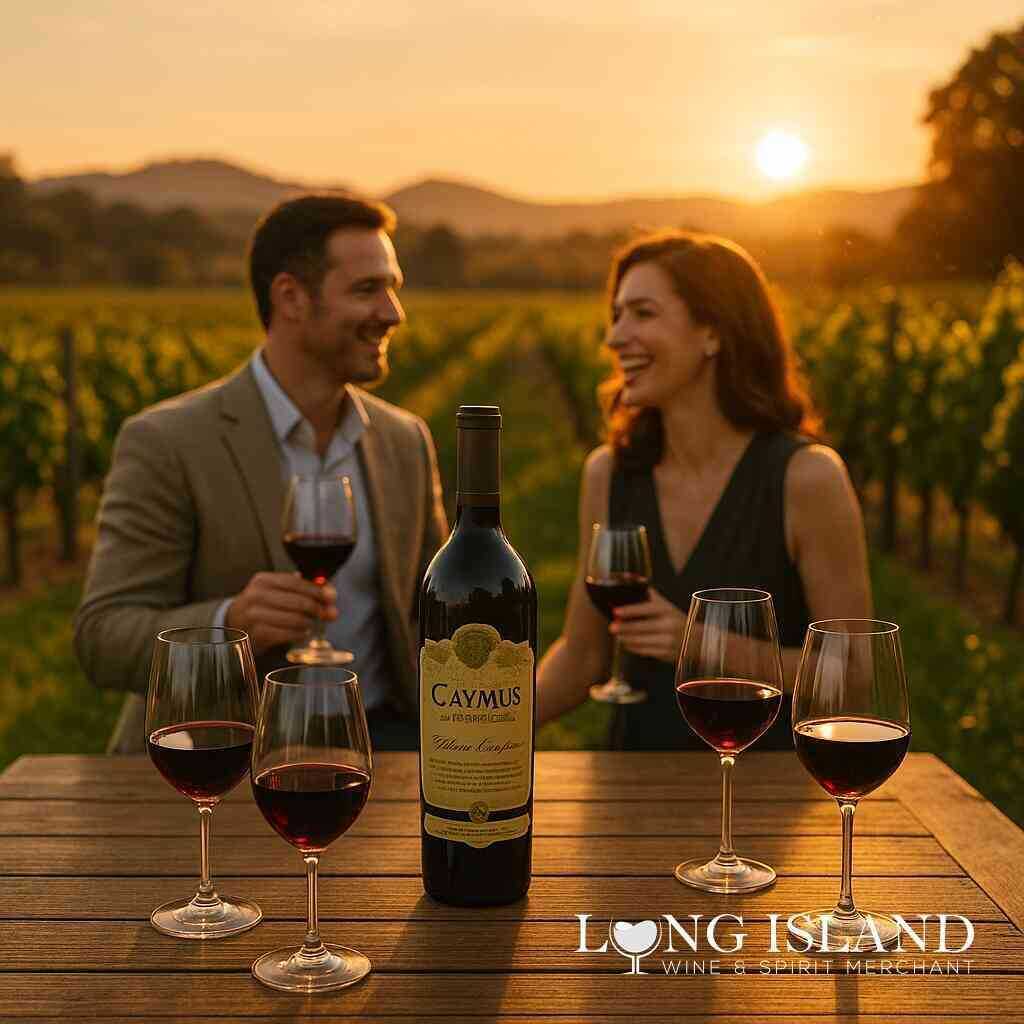
What Does Sweet Red Wine Excellence Mean in 2025?
December 22, 2025
Uncorking Sweet Red Wine Excellence for the Modern Palate
From your wine rack to a virtual wine tasting kit
Long Island shoppers no longer settle for a single sweet label hidden in their wine rack. They now browse the Long Island premium sweet reds hub with the same confidence they once saved for sommelier nights out. Clicking through that curated page feels like holding a virtual wine tasting kit; each bottle profile reads like an invitation to explore modern sweet wine profiles without leaving the sofa. Sweet red wine excellence today means personal control, speedy alcohol delivery near me options, and rich storytelling behind every cork. Consumers crave experiences that move fluidly between their digital screens and their actual stemware.
A premium sweet red experience begins with education, not intimidation. Shoppers take a quick wine quiz, then translate those results straight to the shelf by choosing fruit-forward merlot blends or low-tannin red wines that match their mood. Virtual tasting videos demystify terms such as residual sugar or late-harvest concentration, empowering beginners to chat confidently about velvety red dessert wine nuance. When that same learner finally hosts a Friday gathering, they can arrange bottles in order of sweetness on the kitchen island and lead friends through a guided flight. Suddenly, everyone at the table feels like an insider, not a spectator.
Mapping the sweet spectrum beyond moscato wine
Sweet red wine excellence now spans more categories than ever before, and moscato wine is only the starting gate. Semi-sparkling lambrusco revival bottlings have resurfaced with delicate bubbles and balanced acidity that charms prosecco fans. Late-harvest cabernet arrives lush yet structured, giving port wine devotees a refreshing tailored port alternative. Winemakers also release beginner-friendly sweet reds that carry the juicy brightness of a ripe berry basket without sugary overload, perfect for easing rosé drinkers toward deeper hues. This broader spectrum invites every palate, from those who crave syrupy richness to those who favor a smooth red for their wine glass with just a hint of residual sweetness.
Producers classify these offerings by grams of sugar per liter, tannin softness, and perceived weight on the palate, not by vague labels. That scientific clarity helps shoppers navigate shelves confidently and build a wine rack that reflects distinct occasions. A semi-sweet wine exploration lineup might begin with a delicate brachetto, swell into a fruit-forward merlot blend, and close with a velvety red dessert wine poured over chocolate mousse. Such progression showcases how sugar, alcohol, and acid harmonize to shape mouthfeel, proving that sweetness is an art form rather than a gimmick.
Balanced residual sugar as the new benchmark of quality
Balanced residual sugar has replaced sheer sweetness as the gold standard of sweet red wine excellence. Winemakers now monitor fermentation temperatures rigorously, stopping yeast activity at precise moments to lock in natural grape sugars while preserving lively acidity. This precision fermentation ensures the final wine tastes plush rather than cloying, inviting another sip instead of overwhelming the palate. Consumers recognize this equilibrium as a mark of craftsmanship equal to oak integration or vineyard terroir in dry wines. Even the most decadent late-harvest merlot reserves a streak of brightness that slices through richness like a chef’s knife.
For retailers, highlighting residual-sugar data on shelf tags simplifies the selection process. A customer can choose between a four-percent and an eight-percent bottle depending on dessert plans, just as they might compare IBU levels in craft beer. Pairing guidance flows naturally from these figures: a lower-sugar sweet red threads nicely between savory charcuterie slices, while a higher-sugar lambrusco leans toward berry pies. By focusing on balance rather than brix extremes, Long Island Wine & Spirit Merchant positions itself as a guide, not a gatekeeper, reinforcing consumer trust and reinforcing fine wine and good spirits credibility.
Where Long Island wine artisans meet global sweet trends
Long Island vineyard heritage merges maritime breezes with sandy soils, yielding grapes that hold acidity even at advanced ripeness levels. Local artisans harness that natural gift to craft sweet reds that feel vibrant, not heavy, competing confidently with Italy’s lambrusco or Australia’s late-harvest shiraz. These producers adopt worldwide best practices-such as cold-soak extraction for color without rough tannins-while stamping bottles with unmistakable coastal energy. The result is an artisan Long Island red that satisfies modern demands for sustainability and authenticity along with flavor.
Global collaboration also accelerates innovation. Winemakers join webinars with Portuguese port pioneers, swap fermentation data with South American malbec crafters, and invite North Fork visitors to taste experimental low-tannin red wine micro-lots directly from the barrel. Information travels fast, yet the final product remains proudly local, demonstrating how sweet red wine excellence in the current era thrives on shared knowledge and regional character alike. Such synergy ensures that the next crowd-pleaser red wine poured into your wine glasses carries both world-class technique and unmistakable Long Island soul.
The Science and Art behind Velvety Sweet Reds
Fruit forward merlot blends and low tannin extraction methods
Modern sweet red wine excellence begins with carefully handled merlot grapes that burst with red-berry aromatics. Winemakers on Long Island favor gentle pump-overs and cooler maceration temperatures that respect delicate skins, reducing harsh phenolics. The result is a low-tannin red wine that feels silkier than ever in your wine glass while still delivering structure for aging. Shoppers exploring our Fruit-forward merlot selection in store notice this plush mouthfeel immediately, especially when tasting side by side with drier cousins. Such attention to tannin control proves that technical precision can also create an inviting, beginner-friendly sweet red experience.
Extraction choices also influence how residual sugar harmonizes with acidity, ensuring each fruit-forward merlot blend stays lively instead of syrupy. Minimal oxygen exposure preserves vibrant cherry notes, which act like natural seasoning against measured sweetness. Because tannins sit quietly in the background, flavors remain open to chocolate pairing wine adventures and holiday sweet red selection boards. Consumers who complete their wine taste quiz results often gravitate toward these smooth reds, finding them perfect for a date night sweet red or a crowd-pleaser red wine at family gatherings. The style also eases rosé transition wines drinkers into deeper hues without intimidation, effectively elevating your wine rack with effortless charm.
Late harvest craftsmanship and acidity harmony
Late-harvest cabernet and merlot clusters linger longer under Long Island’s cool maritime sunsets, concentrating sugars while retaining bright acids. Vineyard crews monitor grape chemistry daily, letting berries reach optimal brix without pushing pH into flabby territory. When pressed, juice enters chilled stainless steel tanks where winemakers balance slow fermentation with selective yeast strains. This mindful pace locks vibrant blackberry jam flavors beside a refreshing zip, delivering balanced residual sugar that defines premium sweet red experience. Each bottle feels luxurious yet alive, inviting another pour rather than fatigue.
Acidity harmony also widens sweet red food pairing potential. Maple-glazed ham, aged gouda, and spicy charcuterie find equal footing next to these late-harvest beauties. The wines’ natural brightness slices through richness, making them stellar companions for velvety red dessert wine finales with flourless chocolate torte. Even keto-minded diners appreciate how balanced acid offsets sweetness, creating a mindful indulgence. Such craftsmanship underscores why artisan Long Island red producers stand shoulder to shoulder with global icons while remaining proudly local.
Innovation in the lambrusco revival and semi sparkling texture
The lambrusco revival offers a semi-sparkling texture that refreshes palates accustomed to still sweet reds. Winemakers begin with carbonic maceration on select clones, extracting vivid violet color without rough tannins. Secondary fermentation happens in pressure-controlled tanks, capturing a playful spritz that brightens berry compote flavors. The final wine slides between prosecco breeziness and port wine richness, earning praise as a taylor port alternative with lower alcohol. Consumers love popping these bottles at brunch, using the effervescence as a sweet sangria base or standalone aperitif.
Textural innovation doesn’t stop at bubbles; dissolved carbon dioxide also carries aroma compounds upward, elevating modern sweet wine profile complexity. Crisp mousse lifts notes of wild strawberry and rose petal, creating a multisensory experience that dazzles on social media reels. Because pressure stays moderate, the fizz never masks grape character, preserving authenticity for fine wine and good spirits lovers. This balance embodies the lambrusco renaissance philosophy: playful on the surface, scientifically serious underneath.
Precision fermentation that perfects residual sugar
Sweet red excellence hinges on knowing exactly when to halt yeast activity, and precision fermentation tools now give winemakers surgical control. Automated sensors read sugar depletion in real time, triggering rapid cooling that sends microbes into dormancy. By stopping fermentation a fraction earlier than traditional methods, vintners capture natural grape sweetness instead of relying on added concentrate. The practice safeguards varietal identity while meeting health-conscious demands for clean labels, reinforcing trust in Long Island wine and spirits craftsmanship.
Precision also protects aromatic integrity. Lower fermentation temperatures preserve volatile esters responsible for raspberry, violet, and rose notes that make smooth red for your wine glass irresistible. Meanwhile, micro-oxygenation techniques soften any remaining tannins, ensuring velvety texture without extended barrel aging. Consumers ordering alcohol delivery near me appreciate that these wines arrive fresh, vibrant, and immediately enjoyable. Such consistency turns first-time buyers into loyal fans who later build a custom case of sweet reds online with confidence.
Sustainable Long Island vineyard practices shaping flavor
Sustainability conversations now influence flavor as much as ethics. Cover crops between vineyard rows boost soil microbiomes, encouraging vines to root deeper for minerality that punctuates sweetness. Integrated pest management reduces chemical sprays, letting indigenous yeast populations thrive and impart subtle coastal nuances. These eco-minded steps create artisan Long Island red expressions that feel both place-driven and forward-thinking, aligning with premium sweet red experience expectations.
Water conservation technologies further refine grape balance. Drip irrigation regulated by moisture sensors prevents dilution during late season ripening, locking concentrated flavors into each berry. Solar-powered wineries also minimize carbon footprints, a fact consumers proudly share when pouring crowd-pleaser red wine at gatherings. Knowing a velvety red dessert wine supports environmental stewardship enhances every sip, deepening emotional connection. Sustainable practice, therefore, completes the circle where science, art, and conscience converge in sweet red wine excellence.

Navigating the Premium Sweet Red Experience at Long Island Wine and Spirit Merchant
Custom case of sweet reds guided by the wine taste quiz
Every premium sweet red experience at our liquor store begins with insight. Shoppers open laptops or phones and tackle the Interactive wine taste quiz for custom case. Questions cover mouthfeel preferences, oak tolerance, and residual sugar comfort zones. Results translate instantly into shelf recommendations for beginner-friendly sweet reds or deeper late-harvest treasures. Customers feel guided by a sommelier yet free to explore at their own pace.
After finishing the quiz, most visitors head straight to our virtual wine rack builder. There, a drag-and-drop interface lets them Build a curated case of sweet reds that mirrors quiz insights. They swap bottles until balance, budget, and occasion align in satisfying harmony. The tool automatically checks vintage availability and suggests food pairings, cutting guesswork for new collectors. Finally, with one click, the custom case heads toward checkout, ready for swift local delivery or nationwide shipping.
Alcohol delivery near me that elevates date night convenience
Convenience defines modern romance as much as candlelight. Couples browsing after work tap our liquor store app, choosing wine and spirits sweet reds perfect for movie marathons. By choosing Fast alcohol delivery near Long Island, they reserve precious minutes for cooking rather than traffic. Temperature-controlled vans depart swiftly from Commack, ensuring bottles arrive cellar cool, not pizza warm. Doorbells ring, glasses clink, and date night begins without last-minute store detours.
Traveling fans enjoy similar ease through our coast-to-coast shipping program. A single cart houses Long Island wine, rose wine, and even dry white wine for varied household tastes. Fulfillment partners track weather and reroute packages when heat threatens velvety red dessert wine texture. Because ice-pack insulation costs less than forgotten anniversaries, shoppers gladly add the option when checking out. Thus, ‘alcohol delivery near me’ becomes more than a search term; it becomes relationship insurance.
Wine gift box and bottle engraving for the gift ready bottle
Thoughtful presentation turns a good bottle into a memory etched forever. Shoppers browsing birthdays or promotions inside our Long Island wine and spirits showroom click the Gift-ready wine bottle box option. Matte black cardboard cradles the wine like velvet, while magnetic clasps snap satisfyingly shut. A gold Long Island Wine & Spirit Merchant seal finishes the exterior, delivering boutique charm at an accessible price. Recipients often photograph the unboxing, tagging our wine shop and amplifying your impeccable taste.
For milestones demanding permanence, Bottle Engraving elevates gesture into heirloom. By selecting Personalized engraving for sweet red bottles, customers upload a brief message or date during checkout. Laser artisans etch precisely, preserving bottle integrity and cellar aesthetics. The script gleams under candlelight, long after the last velvety pour has vanished. Gift-givers cherish knowing their sentiment will outlive the celebratory toast.
Taylor Port alternatives and chocolate pairing crowd pleasers
Port loyalists often crave depth without the high proof punch. Our sommeliers steer them toward the curated Dessert-style red wine collection showcasing late harvest merlot and brachetto. These bottles offer velvet texture, blackberry jam tones, and moderate alcohol that keeps conversation sparkling. Subtle acidity ensures sweetness never tires the palate. Guests pour second glasses confidently, knowing balance prevails.
Chocolate demands similar poise from its liquid partner. We recommend silky ganache squares beside late-harvest cabernet to accent dark berry undertones. For milk chocolate, a mellow lambrusco revival adds playful bubbles that cleanse sweetness between bites. Our online Guide to perfect food pairings with sweet red dives deeper, listing cacao percentages and exact bottle matches. With that cheat sheet, you become the dessert impresario every dinner party covets.
Rosé transition strategies for welcoming new sweet red fans
Moving from summer rosé to richer hues can feel intimidating for casual sippers. Our staff recommends starting with semi-sweet merlot blends chilled slightly to mimic rosé refreshment. These gateway wines highlight strawberry notes familiar to pink-wine devotees yet introduce deeper plum layers. Many sample two ounces of Ready-to-mix sweet sangria wines with soda water during casual backyard tastings. This playful riff eases palates toward deeper red flavors without abrupt tannic shock.
Once confidence builds, staff suggest lowering the chill and introducing darker dessert blends like brachetto. Hosting a side-by-side flight with rosé, semi-sweet red, and late harvest cabernet illuminates the progression vividly. Friends describe berries growing riper with each glass, rather than experiencing a sudden flavor cliff. Conversation around balanced residual sugar becomes natural, not nerdy, when everyone tastes evolution firsthand. Soon, those former rosé loyalists shop sweet red on their own, recommending your liquor store to friends.
Pairing Possibilities and Culinary Crossroads
Holiday desserts and savory charcuterie meet sweet red harmony
Festive tables glow brighter when holiday desserts share space with a well-chosen artisan Long Island red. Gingerbread, pecan pie, and cranberry roulade each demand their own sweet red food pairing, and our sommeliers often begin with a late-harvest cabernet that delivers blackberry depth yet keeps balanced residual sugar. Its lifted acidity slices through buttery crusts, so every bite feels fresh instead of heavy. For crowd-pleaser red wine versatility, consider a fruit-forward merlot blend chilled slightly to accent cinnamon and clove. You will taste sweet red wine excellence in every swirl, proving that dessert wines are no longer confined to after-dinner formality.
A smooth red for your wine glass also tames savory boards loaded with prosciutto, aged cheddar, and rosemary crackers. Low-tannin red wine styles let salt and fat sing without palate fatigue, while subtle sweetness mirrors the cured meat’s delicate edge. Lambrusco revival bottlings add a playful spritz that lifts smoked almonds and fig jam. When guests crave something richer, a taylor port alternative, such as brachetto, brings chocolate-covered cherry notes that harmonize perfectly with blue cheese. Explore these combinations in the Defining sweet red wine excellence on Long Island feature and elevate your wine rack before the next celebration.
Sweet sangria bases that refresh brunch gatherings
Brunch calls for liveliness, and a sweet sangria base built on beginner-friendly sweet reds delivers exactly that spirit. Choose a semi-sparkling lambrusco revival wine, add blood-orange slices, and finish with mint to craft a modern sweet wine profile that dazzles without excess sugar syrup. Balanced residual sugar keeps the drink crisp, encouraging refills while preserving clarity of fruit. This premium sweet red experience delights guests who usually reach for rosé transition wines because the texture remains light, yet flavors deepen into raspberry and pomegranate.
Home hosts appreciate how simple online wine purchase tools transform planning. A custom case of sweet reds ordered through alcohol delivery near me arrives chilled and brunch-ready, eliminating rush-hour store trips. Include a best moscato d’asti cousin in the shipment for friends who prefer floral lift, and add a smooth late-harvest cabernet for those desiring extra richness. Mixing these styles into individual carafes allows each table to taste, vote, and discover personal favorites. Such interactivity mirrors a virtual wine tasting kit without complicated logistics.
Chocolate and velvety red dessert wine synergy
Silky ganache dreams of a velvety red dessert wine companion, and the match becomes legendary when flavors mirror cocoa’s deep roast. Late-harvest cabernet layers black-currant jam beneath tannins so soft they feel like velvet, enhancing dark chocolate truffle complexity. For milk-chocolate lovers, a lambrusco revival with a sweet sangria base essence lifts caramel undertones, keeping bites light. Always pour slightly cooler than room temperature; freshness amplifies cocoa’s floral highs.
Advanced hosts experiment with chili-spiced chocolate bark next to a fruit-forward merlot blend boasting low tannin extraction. The pepper heat awakens berry sweetness, and balanced residual sugar extinguishes the burn gracefully. A wine gift-ready bottle engraved for the occasion underscores sophistication, showing mastery of both flavor and presentation. Whether gifting or indulging, chocolate pairing wine strategies convert casual nibbling into a premium sweet red experience everyone remembers.
Keto mindful and gluten friendly pairing considerations
Guests following keto or gluten-free paths deserve fine wine and good spirits picks that respect their choices. Smooth red for your wine glass with under eight percent residual sugar typically fits macro goals, while offering richer flavor than most dry white wine alternatives. Choose a low-tannin red wine aged in stainless steel to avoid hidden carb contribution from sweet barrel toasting. Serve with almond-flour biscotti or grilled halloumi sticks to keep plates in line with dietary needs.
Artisan Long Island red producers now publish lab-verified carbohydrate data, making wine selection refreshingly transparent. Shoppers consult wine taste quiz results online, filter by keto-friendly tags, and add selections to a custom case of sweet reds shipped nationwide. The convenience of alcohol delivery near me removes the temptation to compromise while shopping hurriedly. When your holiday sweet red selection supports every diet, hospitality feels more inclusive and thoughtful.
Mixers and fine wine and good spirits cocktails with a sweet twist
Sweet red cocktails have evolved far beyond college-era spritzers. Mixologists now build refined recipes that honor balanced residual sugar instead of masking it. Combine late-harvest cabernet with artisanal amaro, a squeeze of burnt orange peel, and a single large ice sphere for a date night sweet red Old-Fashioned. The velvety texture stands firm, while botanical bitterness keeps sweetness in check.
For daytime gatherings, a lambrusco revival joins elderflower liqueur and frozen strawberry cubes in a stemless flute, delivering a sparkling lift that still showcases grape purity. Even bourbon lovers surrender when a taylor port alternative merges with rye whiskey and black-walnut bitters, creating depth without cloying edges. Stock these mixers by selecting fine wine and good spirits from your trusted Long Island liquor store, then let creativity flow. Each sip demonstrates how sweet red wine excellence can anchor sophisticated cocktails, not merely play a background role.

Elevate Your Wine Glass toward Sweet Red Futures
Essential takeaways for selecting the best sweet red wine
Choosing the best sweet red begins with understanding personal palate boundaries, not chasing trend lists. The easiest shortcut is tasting guided flights that move from semi-sweet to late-harvest, noticing texture changes. Reference professional curations, such as Merchant’s 2025 sweet red picks article, to compare trusted benchmarks. Focus on residual sugar under ten percent for versatility, unless a decadent dessert course awaits. Balance comes from acidity and tannin integration, not just sweetness levels.
Avoid bottles that list only vague “sweet” descriptors; demand hard numbers or transparent winemaking notes. Seek grape origins that retain natural acidity, like coastal Long Island or cool elevated vineyards. Smell the cork and the first pour; off-aromas signal poor storage, regardless of prestigious labeling. Lastly, trust your wine glass over any scoring sheet; enjoyment equals success. For help, engage store staff who taste inventory weekly and understand modern sweet wine profiles deeply.
Online wine purchase tips for building an enviable wine rack
Digital convenience should never replace discernment, yet it can supercharge collection building. Start by filtering for balanced residual sugar and low-tannin red wine categories to avoid palate fatigue. Use the Long Island Wine & Spirit Merchant quiz results to auto-populate a custom case, then swap duplicates. Check bottle size options before checkout; magnums often age sweeter wines more gracefully. Opt for climate-controlled shipping windows to protect velvety red dessert wine aromas during transit.
Once boxes arrive, catalogue each bottle with tasting notes and ideal drinking windows. Store your wine rack away from kitchen heat, letting sweet reds keep their vibrant acidity. Rotate stock regularly, pulling semi-sweet selections forward for casual nights, while reserving late-harvest gems. Track consumption in a cellar app; data reveals flavor patterns you may not notice immediately. As patterns emerge, future online orders become sharper, saving money and enhancing every premium sweet red experience.
Joining the artisan Long Island red renaissance
Long Island artisans now champion sustainability and precision, making regional sweet reds uniquely expressive. Vineyard soils of sand and clay contribute minerality that punctuates berry sweetness without heaviness. Winemakers leverage gentle extraction, protecting fruit notes while taming tannins for a smooth red in your wine glass. Visiting tasting rooms lets you sample micro-lot experiments and understand terroir nuance firsthand. These visits foster allegiance, turning casual shoppers into ambassadors for Long Island wine and spirits culture.
Even from afar, you can support the renaissance by prioritizing bottles carrying estate and grower designations. Such labels guarantee vineyard control, which translates into balanced residual sugar and transparent sourcing. Pair these artisan Long Island red wines with local produce to highlight regional synergy at dinner. Share tasting impressions on social platforms, tagging the winery and encouraging further experimentation. Community feedback loops help winemakers refine upcoming vintages, ensuring sweet red wine excellence continues to rise.
Looking ahead to the next wave of sweet red excellence
The next wave will likely merge advanced sensor technology with ancient grape varieties, unlocking unexpected flavor mosaics. Fermentation software already predicts optimum cooling points, but machine learning will soon adapt mid-process to weather changes. Expect lower alcohol sweet reds that preserve structure through micro-oxygenation rather than heavy fortification. Eco-friendly packaging will also take center stage, using lightweight glass and compostable closures without flavor compromise. Consumers win, enjoying luscious wines and a lighter environmental footprint simultaneously.
Staying informed ensures your cellar stays ahead of the curve. Follow technical webinars, subscribe to vineyard newsletters, and taste broadly to track stylistic shifts. Above all, maintain curiosity; the premium sweet red experience thrives on open minds and adventurous palates. When readiness meets opportunity, Long Island Wine & Spirit Merchant will have curated the perfect newcomer for your collection. So keep the corkscrew handy and your expectations high.
Frequently Asked Questions
Question: In your new blog What Does Sweet Red Wine Excellence Mean in 2025?, you stress balanced residual sugar. How do I quickly spot that balance when shopping online at Long Island Wine & Spirit Merchant?
Answer: Every sweet red wine page in our Long Island wine store now lists residual-sugar grams per liter beside acidity and alcohol. When the sugar number sits between 30-80 g/L and the acid is above 6 g/L, you get the plush fruit of a velvety red dessert wine without cloying heaviness. To make life easier, our wine taste quiz filters all results by that sweet-spot ratio, then lets you drag bottles into a custom case of sweet reds. It’s the fastest path to a premium sweet red experience that still feels crisp in your wine glass.
Question: I keep hearing about the Long Island lambrusco revival and tailor port alternatives. Which bottles should I try first, and can you deliver them the same day?
Answer: Start with our semi-sparkling Lambrusco Secco from a North Fork artisan; its bright mousse and berry compote notes make it a crowd-pleaser red wine for brunch or charcuterie. For a lower-proof taylor port alternative, grab the late-harvest Merlot Dolce-think blackberry jam, cocoa dust, and a smooth finish. Both qualify for alcohol delivery near me if you live on Long Island; order by 5 p.m. and our temperature-controlled vans leave Commack within the hour. Nationwide fans can choose 2-day climate-smart shipping, so every sip arrives in peak condition.
Question: I’m a rosé devotee. Which beginner-friendly sweet reds will help me transition without losing that refreshing vibe?
Answer: We recommend chilling a fruit-forward Merlot blend to 55 °F; its strawberry-plum core echoes summer rosé transition wines but adds velvet depth. If you like a little fizz, our Lambrusco Frizzante offers a sweet sangria base attitude with balanced residual sugar that stays light on the palate. Add these to a six-pack custom case, and our quiz will toss in a best moscato d’asti cousin for aromatic variety. It’s the gentlest on-ramp to sweet red wine excellence.
Question: How does Long Island Wine & Spirit Merchant ensure its sweet red selections align with keto-minded or gluten-free lifestyles?
Answer: Transparency is key. Lab-verified carb counts appear on every low-tannin red wine or semi-sweet wine exploration page. Options under 4 g carbs per 5-oz pour carry a Keto-Smart badge, and all wines are naturally gluten-free. Pair them with almond-flour biscotti or aged gouda for a sweet red food pairing that keeps macros in check. Look for the badge when building your wine rack online and let our fine wine and good spirits picks fit every dietary need.
Question: Can I turn a bottle of sweet red into an unforgettable gift without leaving my sofa?
Answer: Absolutely. Select any artisan Long Island red, click Add Wine Gift-Ready Bottle, and choose a matte black wine gift box or personalized engraving. Our laser team etches dates, names, or brief messages directly onto the glass, transforming a smooth red for your wine glass into a keepsake. We then ship or deliver the engraved bottle in protective foam, so your gesture arrives flawless-whether it’s five miles across Long Island or five states away.