What Are the Intricacies of Rosé Wine for Nassau County?
December 25, 2025
Uncorking the Blush Setting the Rosé Scene for Nassau County Glasses
Why Long Island wine racks now shimmer pink
Walk through any Nassau County kitchen party and you will notice a subtle shift: wine glasses tinting pink. Local shelves once dominated by sweet red wine now gleam with salmon hues, reflecting changing palates. Our Long Island wine racks mirror the global rosé boom yet carry distinct coastal character. Residents demand refreshing acidity for beach outings and versatile flavors for backyard spreads. As the premier rosé shop in Long Island we taste daily to curate bottles that speak to this desire. Every blush selection on our store’s rack echoes breezy shorelines, bold seafood, and easy conversation.
The surge began with travelers returning from Mediterranean vacations craving Provence style bottles, yet Nassau County rosé wine nuances soon developed their own voice. Local winemakers capitalized on seaside breezes and sandy soils to craft crisp, mineral-driven expressions. Simultaneously, innovative stainless-steel fermentation kept colors vivid while preserving aromatics for easy weekday sipping. Consequently, rosé gained year-round status, pouring alongside holiday roasts as confidently as it brightens summer clambakes. Restaurants and liquor store teams now rotate pink specials as frequently as rotating taps, proving that blush wine is no fleeting fad.
Defining rosé from sweet red whispers to bone-dry elegance
Rosé’s delicate hue results from brief skin contact, not grape variety alone, allowing wineries to sculpt color and flavor with minute precision. Skins soak for a few hours rather than days, extracting light tannins and blossoms of strawberry or melon before juice turns too crimson. Winemakers then bleed off juice, chill, and ferment at controlled temperatures to preserve aromatics yet restrain sugar. This technique gifts Nassau drinkers a spectrum ranging from watermelon-bright picnic bottles to gastronomic rosés with peppery bite. Understanding the process empowers shoppers scanning our wine rack to choose confidently between poolside quaffers and table-setting stunners.
Dry rosé versus sweet rosé on Long Island depends largely on residual sugar levels measured in grams per liter after fermentation. A bone-dry Peconic rosé might finish below three grams, displaying racy acidity perfect for oysters, while semi-sweet expressions hover near ten grams, flattering spicy takeout. Long Island rosé tasting notes often mention cranberry, white peach, and salty sea spray, hallmarks of coastal terroir influence on rosé. Meanwhile, fuller styles echo raspberry jam or rose petal, bridging the gap between dry white wine and lighter sweet red whispers. By recognizing these markers, patrons tailor selections to personal sweetness thresholds without second-guessing.
Rosé myths busted by a Commack liquor store insider
Myth one insists rosé must be consumed only in high summer; experience shows seafood feasts and autumn harvest plates crave its crisp bite. Cooler weather merely shifts pairing partners to roast poultry, butternut squash, and aromatic herbs, proving pink versatility. Myth two claims all rosé tastes the same, ignoring terroir diversity from Suffolk and Nassau vineyard rosé styles that range from zesty citrus to lush tropical fruit. Finally, some believe rosé lacks age-worthiness; however, structured barrel-kissed cuvées can develop honeyed complexity over two or three seasons. Dispelling these misconceptions encourages Nassau enthusiasts to explore year-round, discovering fine wine and good spirits beyond seasonal stereotypes.
Our Commack team also debunks pricing myths, revealing that artisan bottles crafted in small batches often cost less than imported icons yet offer superior freshness. Consumers wrongly equate pale color with watered-down flavor; in truth, paler shades often indicate intentional finesse rather than dilution. Others fear rosé headaches, forgetting that hydration, moderation, and quality sourcing matter more than hue. Through in-store tastings, staff illustrate that thoughtful production reduces additives, yielding cleaner finishes and fewer regrets. Each myth shattered expands appreciation, empowering patrons to embrace coastal terroir influence on wines in Long Island with informed enthusiasm.
Coastal Alchemy: How Long Island Terroir Shapes Every Shade of Pink
Breezes and Brix decoding coastal minerality and acidity
Long Island breezes sweep across Nassau County vineyards, cooling grapes during late afternoons. That gentle airflow slows sugar accumulation, preserving bright acidity essential for refreshing rosé wine. Sandy loam soils retain little water, forcing roots deeper, which amplifies coastal minerality in every sip. Local winemakers monitor Brix levels daily, aiming for balanced sugar and acid that lets strawberry aromatics pop without cloying sweetness. Because sea spray deposits trace salts, glasses often reveal a subtle saline finish that seafood lovers instantly recognize.
Tasters describe these Nassau County rosé wine nuances as “crunchy,” a shorthand for lively texture on the tongue. Chemically, pH frequently hovers near 3.3, enhancing color stability while packing zesty lift. That number means your wine glass sings alongside briny oysters or herb-bright goat cheese. Comparing Long Island rosé tasting notes with inland examples showcases sharper citrus, proving coastal terroir influence on rosé is unmistakable. The result is a blush wine that refreshes beachgoers and elevates holiday tables alike.
Skin contact timing from stainless whispers to barrel secrets
Color in rosé hinges on seconds, not hours, of grape skin contact. Winemakers bleed juice after brief maceration, capturing just-ripe watermelon shades but avoiding heavy tannins. Stainless-steel tanks then lock in raspberry aromatics and keep hues vivid through controlled, cool fermentation. Some artisans experiment with neutral oak barrels for a fraction of the blend, adding whispering texture without oaky dominance. That subtle choice turns poolside quaffers into gastronomic partners for sushi or smoked salmon.
Fermentation science in modern rosé production emphasizes temperature below 60 degrees Fahrenheit, preserving volatile esters that smell like peach skin. Producers occasionally stir lees, building mid-palate creaminess while maintaining brisk finish. Extended lees contact also softens malic edges, making dry rosé feel round yet lively. Consumers scanning a liquor store shelf can decode this by checking phrases like “sur lie” or “barrel fermented.” Understanding these cues transforms casual browsing into confident selection.
Sustainable vineyard voices small batch artisan rosé makers to know
Many Suffolk and Nassau vineyard rosé styles now spotlight organic farming, cover crops, and solar powered pumps. These practices protect groundwater and showcase pure fruit, aligning with shoppers who seek fine wine and good spirits without guilt. Growers handpick at dawn, keeping berries cool and reducing sulfite needs later. Small batch lots, often under 500 cases, allow native yeast fermentations that echo field aromas more honestly. Flavor arcs stretch from cranberry to white nectarine, depending on clone and canopy management.
Our Commack wine shop highlights organic rosé producers on Suffolk and Nassau vineyards during weekend tastings. Guests notice cleaner finishes and fewer additives, reinforcing trust in sustainable labels. The Long Island Wine and Spirit Merchant team tracks each vintage’s water usage, fostering transparent conversations with eco-minded patrons. By supporting these artisans, you sustain local agriculture while savoring a rosé that truly mirrors our shoreline. Sustainability, therefore, is not marketing fluff; it is taste you can measure.
Provence dreams in Peconic reality crafting dry rosé on home soil
Winemakers along the Peconic Bay chase Provençal elegance yet keep regional identity intact. They blend Merlot, Cabernet Franc, and Cabernet Sauvignon in ratios that dial down color but retain red-fruit perfume. Cool nights maintain nerve, allowing bone-dry finishes under three grams residual sugar. Those specs outshine imported bottles that travel thousands of miles, arriving less fresh. Locals gain vibrant grapefruit notes layered over rose petal, perfect for rooftop gatherings.
The Long Island Wine & Spirit Merchant curates these Peconic marvels beside imported icons, inviting side-by-side comparison. Shoppers regularly proclaim the homegrown option brighter, citing brisk acidity and zero jet lag. Because distribution remains short, prices often beat French counterparts, stretching backyard budgets further. Choosing fall rosé near Suffolk beaches becomes effortless when you taste seasonality in the glass. Hence, Provençal inspiration fuels, rather than defines, Long Island’s pink evolution.
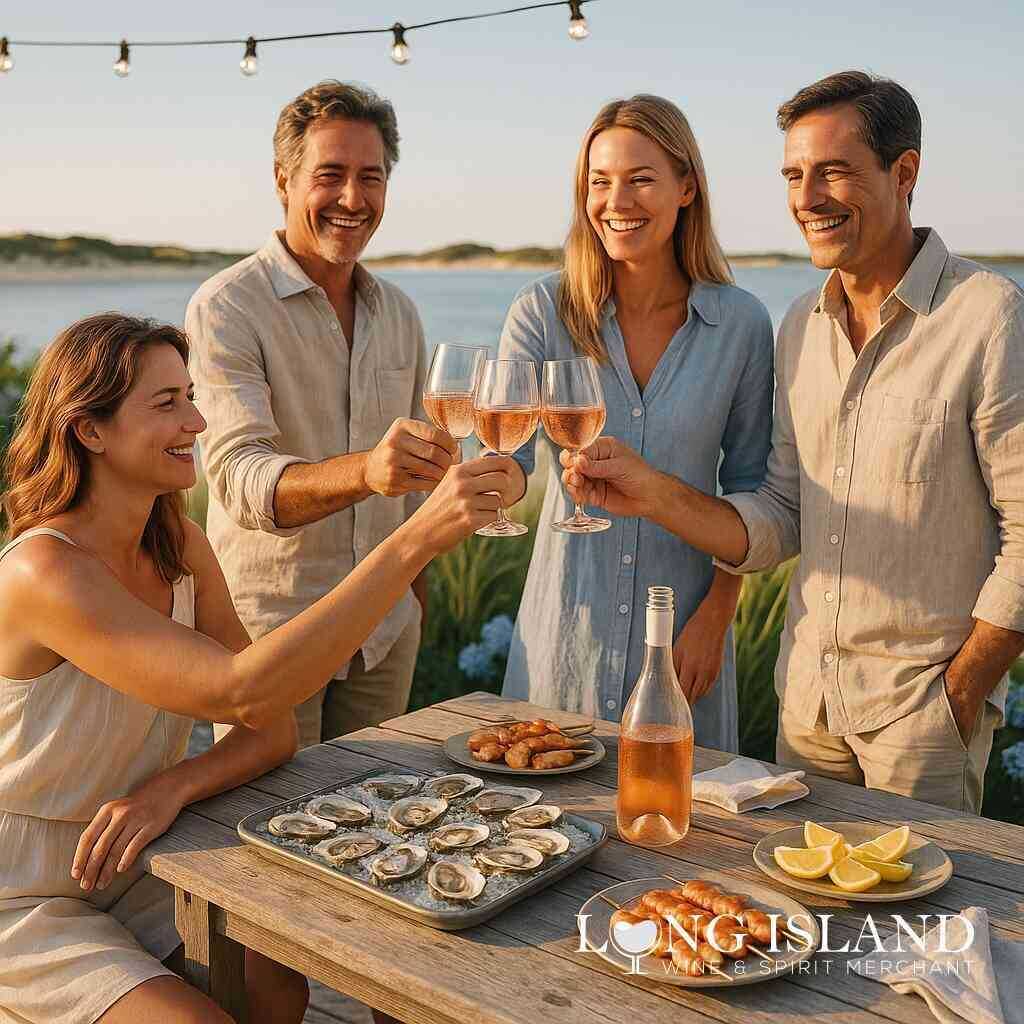
From Beach Picnic to Backyard Pit Pairing Nassau Plates with the Perfect Rosé
Summer shellfish and seaside rosé science
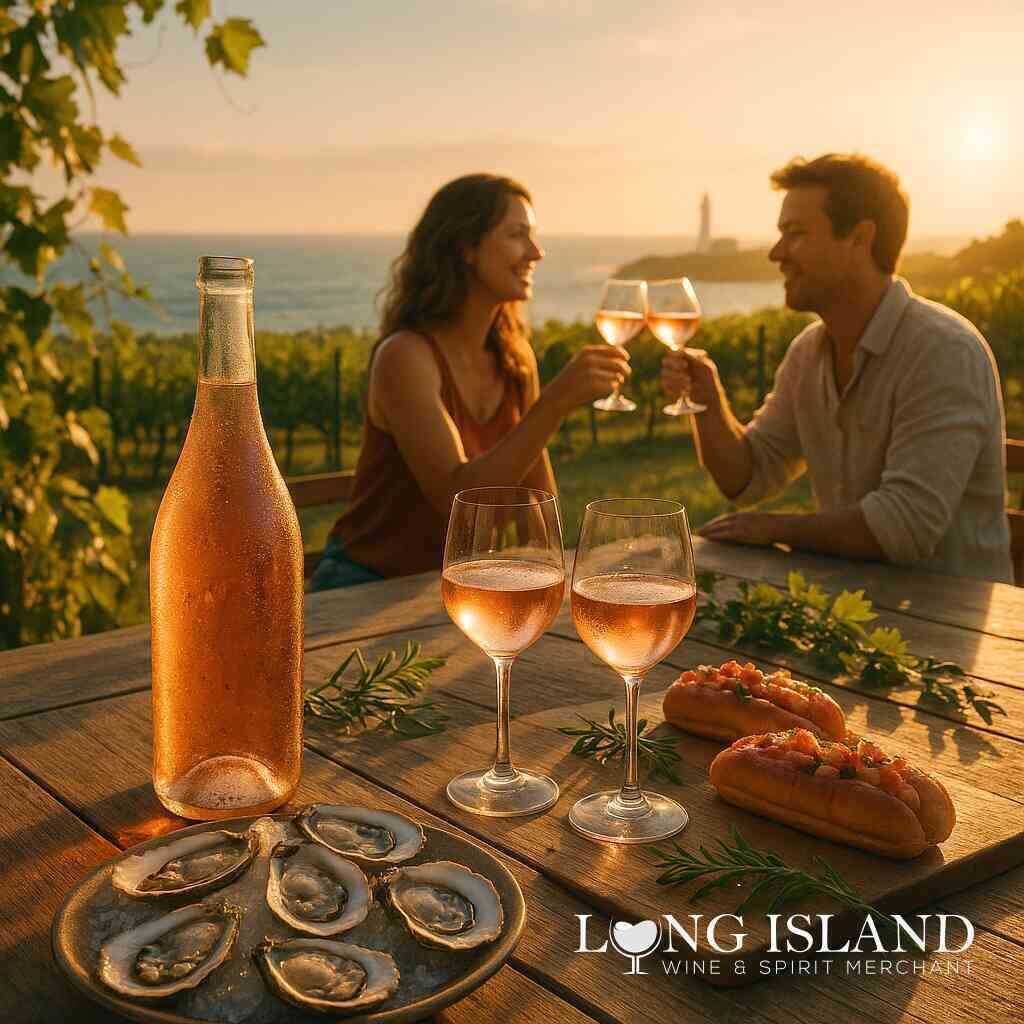
Briny oysters, Peconic clams, and buttered lobster rolls dominate Nassau County coolers once beach umbrellas unfurl. Those delicate flavors beg for brisk acidity and whispering salinity, classic Nassau County rosé wine nuances shaped by offshore breezes. A bone-dry pink with citrus edges slices through the richness of shellfish, refreshing your palate between bites of juicy mollusk. Stainless-steel fermented bottles preserve the brightness of watermelon without masking the sweetness of the crustacean. Keep a cooler packed with ice packs, not cubes, so condensation never waters down the wine’s mineral finish.
Residual sugar subtly shifts pairing dynamics when shellfish dips into drawn butter or spicy aioli. A semi-dry blush offsets hinting heat from horseradish cocktail sauce, creating balanced tension rather than overwhelming sweetness. Vibrant rosé tasting notes of cranberry, white peach, and sea spray echo the shoreline, amplifying each slurp of briny liquor from the shell. Always serve rosé between fifty and fifty-five degrees to spotlight zesty acidity without muting aromatic lift. That precision allows even casual picnics to feel like sommelier-curated feasts beneath gull calls.
Barbecue smoke meets blush wine choosing bottles for grilled fare
When grills ignite across backyard patios, bold smoke demands rosé with more structure and subtle tannin. Look for Long Island blends incorporating Cabernet Franc, adding peppery backbone that slices through charred ribs or sausage. Those bottles pour deeper salmon hues, signaling fuller body yet still offering refreshing lift compared with heavier sweet red wine. Fruity notes of ripe raspberry and hibiscus temper the spice rub, while acidity clears away lingering fat. Cork one fifteen minutes before serving to let aromas bloom without losing chill.
Pairing feels easier once you understand the integration of fruit, smoke, and spice. Dry rosé versus sweet rosé on Long Island hinges on residual sugar levels, which guide the choice of cut of meat that shines brightest. Use our advanced food pairing with blush wines in NY resource for quick reference when menu planning escalates. Grilled shrimp skewers pair well with leaner, citrus-packed rosé, while a rounder, strawberry-driven wine, best complements bourbon-glazed brisket. Whichever bottle you choose, aim for moderate alcohol to keep gatherings lively and balanced through the final s’mores course.
Brunch bubbles rosé cocktails with local spirits
Weekend brunch across Long Island has become a showcase for sparkling rosé and creative pink cocktails. Effervescent blends from the Hamptons provide raspberry aromatics that mingle smoothly with fresh citrus juices and herbal liqueurs. A splash of craft vodka, distilled minutes from Commack, transforms that sparkle into an easy mimosa alternative without added sugar syrups. Crisp bubbles lift eggs Benedict hollandaise, while strawberry notes highlight maple-drizzled waffles. Always build cocktails gently, tilting the flute, so carbonation remains lively and food-friendly.
Not every guest enjoys traditional cocktails, so keep non-alcoholic shrubs on hand for vibrant spritzes. Steeped berries mixed with club soda echo rosé’s fruit profile, letting designated drivers participate in brunch aesthetics. For richer dishes like smoked salmon hash, choose méthode traditionnelle sparkling rosé featuring longer lees aging, which adds brioche complexity. Garnish glasses with sprigs of beach rosemary to weave coastal terroir influence on rosé into visual presentation. Consistency in glass size ensures proportional pours, maintaining sparkle until the last toast.
Choosing rosé temperature and glassware for Island gatherings
Proper service turns a good bottle into a memorable experience across Nassau patios or decked boats. Chill lighter rosés slightly cooler than fuller, oak-kissed styles, yet never plunge below forty-five degrees or fruit aromas mute. Use an insulated sleeve after uncorking, avoiding ice buckets that introduce water into labels and dilute cork integrity. Stemware matters; select medium-sized white wine glasses, allowing aromas to concentrate while acidity glides across the palate. Avoid flared rims that disperse bouquet too quickly, especially in breezy shoreline settings.
Refill glasses halfway to maintain temperature stability during humid afternoons. Encourage guests to swirl gently, releasing the strawberry and melon esters that were trapped by the earlier chill. As dusk falls and grills cool, let rosé gradually rise a few degrees, unveiling secondary notes of herb or stone fruit. That slow evolution mirrors sunsets over the Sound, extending conversation and reinforcing connection with place. By controlling temperature and selecting the right glass, you can honor both wine craftsmanship and Long Island hospitality without needing elaborate equipment.
Navigating the Wine Rack: Buying and Delivering Rosé with Long Island Wine and Spirit Merchant
Reading labels color cues sweetness clues
Decoding a rosé label begins with the hue, as shade hints at the structure. Pale onion-skin usually signals brisk acidity and bone-dry lift, ideal for shellfish. Deeper salmon suggests riper fruit, suiting barbecue spice or creamy cheeses. Next, scan for the residual sugar line; numbers under three grams promise razor-sharp refreshment. Finally, note the alcohol percentage, since bottles near thirteen percent carry more body and berry weight than lighter counterparts.
Long Island producers often print vineyard blocks on the back label, revealing Suffolk and Nassau vineyard rosé styles at a glance. Coastal parcels showcase saline edges from sea spray, while inland plots bring softer melon notes. Seek mentions of stainless fermentation for crisp focus, or partial oak for silky texture. Certifications like “sustainable” or “vegan” offer added trust, especially for eco-minded shoppers. Reading smartly turns a crowded liquor store shelf into an intuitive menu.
Dry versus sweet selecting through the wine taste quiz
Choosing between dry and sweet starts with palate honesty, yet many drinkers struggle to describe preference. Our in-store wine taste quiz bridges that gap by translating flavor memories into measurable data points. Questions explore cravings for citrus bite, honeyed finish, or cranberry tartness, mapping answers to residual sugar ranges. Dry lovers receive recommendations under three grams, ensuring mouth-watering snap. Fans of gentle sweetness discover balanced bottles that still respect Long Island rosé tasting notes of strawberry and rose petal.
The quiz also tailors picks to occasion. A beach picnic might merit feather-light blush, while a hearty roast calls for medium-bodied pink with herb nuance. By blending sensory language with technical markers, the tool demystifies selection for every level of enthusiast. Shoppers leave understanding why their wine glass feels lively or plush, not guessing. That clarity fosters confidence and elevates Nassau County rosé wine nuances at every gathering.
Building a custom rosé case alcohol delivery near me simplified
Variety keeps exploration thrilling, and a curated case multiplies discovery with minimal effort. Start by outlining scenarios-pool days, sunset sails, or holiday turkey feasts-then assign bottle styles to each. Our team balances coastal terroir influence on rosé with global benchmarks, so pallets include both local gems and comparative classics. Mixed sizing fits fridge space and budget flexibility, ensuring fine wine and good spirits are always within reach.
When convenience matters, simply customize a case of rosé in Commack through our seamless portal. Select six or twelve bottles, choose dryness spectrum, and add tasting notes if desired. The system calculates discounts instantly and schedules fast alcohol delivery near me parameters for Nassau County. Protective packaging guards temperature and integrity from cellar to doorstep. One click, and your wine rack transforms into a season-long adventure.
Gift box inspiration turning a bottle into a memory
A single rosé bottle dazzles, yet presentation elevates emotion. Choose pastel tissue that mirrors the blush tone, then nestle the wine inside a recyclable wooden cradle. Add coastal herbs-rosemary or beach lavender infuse subtle aroma as the lid lifts. Include a handwritten pairing tip, such as “Try with char-grilled shrimp,” showcasing personal expertise. Finishing touches like wax seals or nautical twine anchor the Long Island aesthetic.
Corporate tokens, bridal favors, or milestone birthdays all gain warmth through thoughtful customization. Our team engraves message plaques or attaches personalized tasting cards detailing food pairings for Nassau rosé ensembles. Optional accessories-chilled sleeves, reusable stemware, or artisan sea-salt caramels-create multi-sensory surprise. Because memories linger longer than cork pops, investing in detail turns a simple purchase into heartfelt celebration every time.
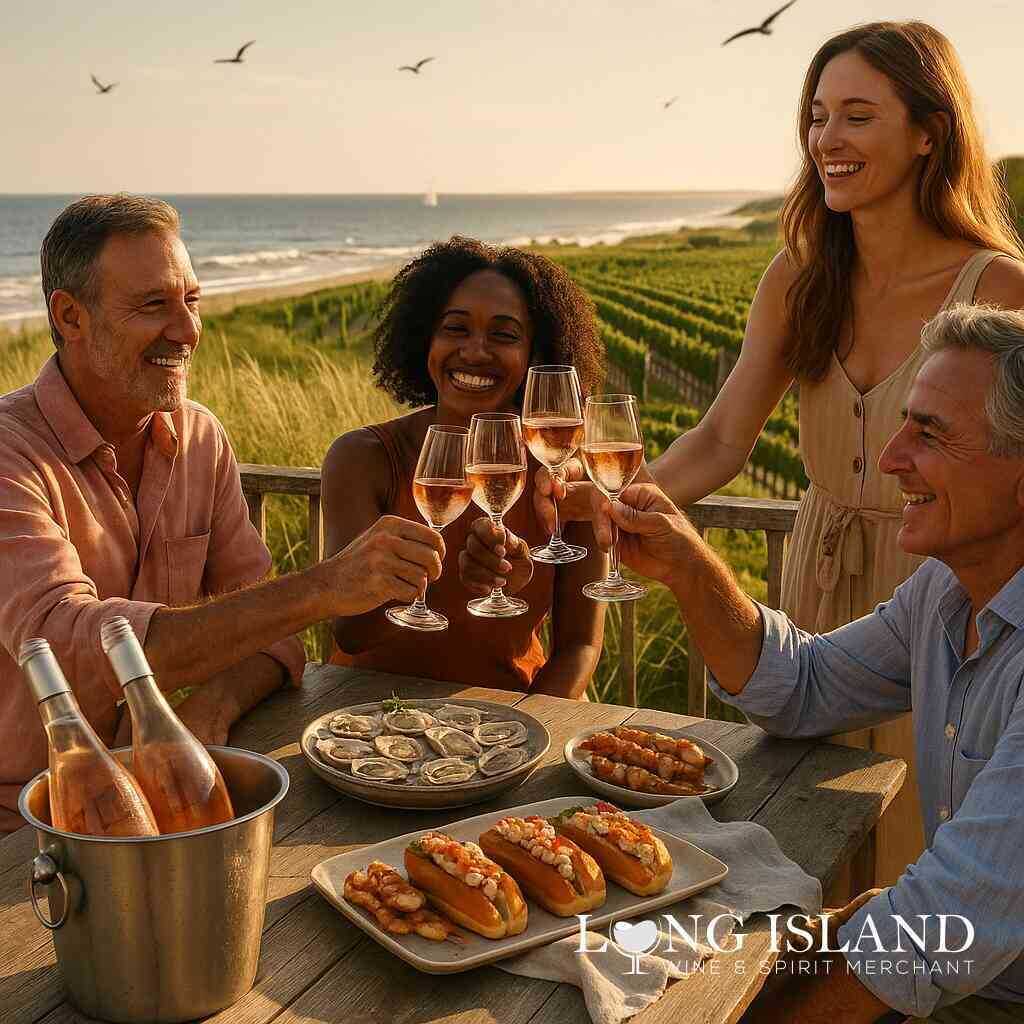
Final Sip: Elevating Nassau County Rosé Culture One Pour at a Time
Embracing year-round pink seasonal service tips
Rosé thrives beyond summer patios in Nassau County, and proper service unlocks that flexibility. Keep bottles in the forty-five to fifty-five degree window to highlight coastal minerality all winter. During colder nights, allow the wine to warm slightly so cranberry tones replace brisk citrus. When heat returns, lower the serving temperature again, preserving refreshing acidity for beach gatherings. Rotate stock every season, selecting paler hues for spring vegetables and deeper salmon for autumn roasts. Our racks feature tagged cards explaining these shifts, saving customers time and second-guessing. Consistent rotation also protects freshness, since blush bottles reward early consumption.
Glassware shapes seasonal experience as well. Choose tapered white-wine stems during active backyard events, capturing strawberry perfume without spilling. When fireside lounging, a slightly larger bowl shows off rounder textures from lees aging. Always rinse glasses with cool water, not soap, preserving delicate Long Island rosé tasting notes. Finally, swap metal ice buckets for insulated sleeves, preventing melted ice from diluting labels. These small habits turn everyday pours into professional moments, reinforcing Nassau County rosé wine nuances.
Inviting community flights, tastings, and discovery
Sharing pink wine builds community quicker than social media can. Host informal flights that compare the styles of Suffolk and Nassau vineyard rosés side by side. Line glasses from palest blush to vivid ruby, teaching friends how skin contact dictates color. Add a bowl of sea-salt chips to underscore coastal terroir influence on rosé aroma. Encourage note-taking; written impressions deepen sensory memory and sharpen future selection. Our staff curates sample packs, letting hosts avoid guesswork while maximizing variety.
If guests feel uncertain about preference, technology bridges the gap. Ask everyone to take the wine preference quiz for rosé lovers before the bottles arrive. Results translate tasting reflections into concrete dryness and aroma categories. Hosts then confidently match foods, whether it’s sushi, brisket, or chocolate-dipped strawberries that appear. Collect feedback after the flight and refine the following lineup to foster continuous exploration.
Your next pour call to uncork fine wine and good spirits
With knowledge in hand, choosing the next bottle becomes exhilarating rather than daunting. Visit our Commack liquor store or browse our blush wine selection online from any sofa. Our shelves hold fine wine and good spirits from iconic producers and fearless Long Island artisans. Each label carries tasting cards that decode residual sugar, acidity, and food pairing suggestions. Staff eagerly guides you through port wine, moscato, or the newest Nassau County rosé.
Distance never limits enjoyment, because our delivery team reaches every doorway with climate-controlled vans. Simply order pink wine online across Long Island and schedule fast drop-off that respects your calendar. For a truly memorable gift, consider adding a customized wine gift box, complete with coastal herbs and tasting cards. These thoughtful extras elevate celebrations, whether anniversaries on the shore or promotions downtown. One pour later, you will taste why Nassau County keeps raising its glass to year-round rosé.
Frequently Asked Questions
Question: How does the coastal terroir influence the acidity and minerality we taste in Nassau County bottles?
Answer: Long Island’s shoreline funnels cool Atlantic breezes across Suffolk and Nassau, slowing the ripening process so grapes retain bright acidity. Sandy loam soils drain quickly and pick up a touch of sea-spray salinity, creating that mouth-watering snap people describe as “crunchy” or “minerally” in their wine glass. At Long Island Wine & Spirit Merchant, our wine rack features dozens of these locally grown pink gems. Each label lists vineyard blocks and Brix levels, so you can actually track how coastal terroir translates into lively citrus, cranberry, and subtle sea-salt notes. When you want fine wine and good spirits that truly taste like the Island, our Commack liquor store is the first stop-and yes, we ship nationwide or run same-day alcohol delivery near you on Long Island.
Question: Which Long Island rosé tasting notes should I look for when pairing with summer shellfish, and can you deliver these wines to my beach picnic?
Answer: For briny oysters, Peconic clams, and buttered lobster rolls, choose rosé that lists tasting notes of grapefruit zest, white peach, and a hint of saline markers of stainless-steel fermentation that keep flavors razor-sharp. Bottles finishing under 3 g/L of residual sugar will slice through rich drawn butter and cocktail sauce without masking the delicate sweetness of seafood. Our staff curates a special Summer Shellfish Six-Pack every June, loaded with exactly these profiles. Order online, pop your location into our checkout, and select “alcohol delivery near me.” We’ll chill the wine, pack it with ice sleeves, and meet you curbside on the way to Jones Beach so your rosé arrives at the ideal 50-degree serving temperature.
Question: The blog What Are the Intricacies of Rosé Wine for Nassau County? Mentioned dry rosé versus sweet rosé-how can your wine taste quiz help me decide which style to buy?
Answer: Many guests know they “like pink wine” but can’t pinpoint dryness preference. Our interactive wine taste quiz turns flavor memories-think lemonade tartness or strawberry jam richness-into numeric residual-sugar ranges. If your answers lean toward crisp citrus, we suggest a bone-dry Long Island rosé with under three grams of sugar; if you favor honeyed fruit, we pivot to balanced, semi-sweet bottles with around eight grams of sugar. The quiz also takes into account food pairings for Nassau rosé, whether you’re grilling ribs or serving sushi rolls. Combined with clear label reading tips from the blog, you’ll walk out (or check out online) with the best wine for your palate, backed by the Island’s most knowledgeable liquor store team.
Question: Can Long Island Wine & Spirit Merchant build a custom case of sustainable Suffolk and Nassau vineyard rosé styles and add a rosé gift box for a bridal shower?
Answer: Absolutely. Use our rosé case customization tool to select 6 or 12 small-batch bottles from organic and solar-powered vineyards-perfect for eco-minded celebrations. We blend Provence-inspired Peconic pours, barrel-aged Cabernet Franc blends, and sparkling rosé options, so every toast feels unique. Add “gift presentation” at checkout, and we’ll wrap each bottle in blush tissue, nestle them in a reusable wooden crate, and top the case with coastal herbs and a handwritten pairing card. Whether you pick up at our Commack wine shop or schedule fast Long Island alcohol delivery, the result is a show-stopping bridal gift that proves sustainable can also be spectacular.