Top 7 Natural Wine Trends At Long Island Wine Spirit Store
May 13, 2026
Whether you are hosting a summer barbecue in your backyard or planning a quiet dinner after a long day on the Jericho Turnpike, finding the perfect bottle can feel overwhelming. You want something authentic, perhaps a bit adventurous, and ideally delivered to your door without stress. At Long Island Wine & Spirit Merchant, we see more neighbors moving away from mass-produced labels toward something with a real story. Natural wines, those born from low-intervention winemaking and honest farming, are capturing the hearts of our customers. Our team is here to guide you through the current trends, ensuring your next glass is exceptional. We invite you to discover why these bottles have become a staple in every thoughtful collection across Long Island.
1) The Rise of Pét-Nat Sparkling Wine
Pét-Nat, short for pétillant-naturel, is an exciting movement in bubbles. Unlike mass-produced sparkling wines that undergo a second fermentation in a tank, these wines are bottled while still fermenting. The natural sugars from the grapes convert into carbon dioxide, creating a light, playful fizz right inside the bottle. It is a rustic, honest approach that keeps the wine’s raw energy front and center. Many of our regulars in Commack love this style because it feels informal, festive, and drinkable.
Understanding the ancestral method of bubbles
The ancestral method is the oldest way of making sparkling wine, predating the techniques used in Champagne. By bottling the juice before the initial fermentation is complete, winemakers capture the spirit of the vineyard in its most active state. There is no dosage or added sugar, meaning you get a true reflection of the vintage. This process often leaves a bit of sediment, which is why you might notice a slight cloudiness that adds to the wine’s character. It is a living, breathing beverage that changes from the moment you pop the crown cap.
Why these unfiltered sparklers are perfect for summer
When the temperature rises in Long Island, you need a drink that is refreshing and bright. These unfiltered sparklers usually have lower alcohol content, making them ideal for long afternoons on the patio. Their zesty acidity and crisp bubbles wake up the palate without being heavy. Because they are often produced in smaller, experimental batches, each bottle feels like a unique discovery. We recommend grabbing a few bottles for your next weekend gathering to keep the mood light and easy.
Pairing pét-nat with local Long Island seafood
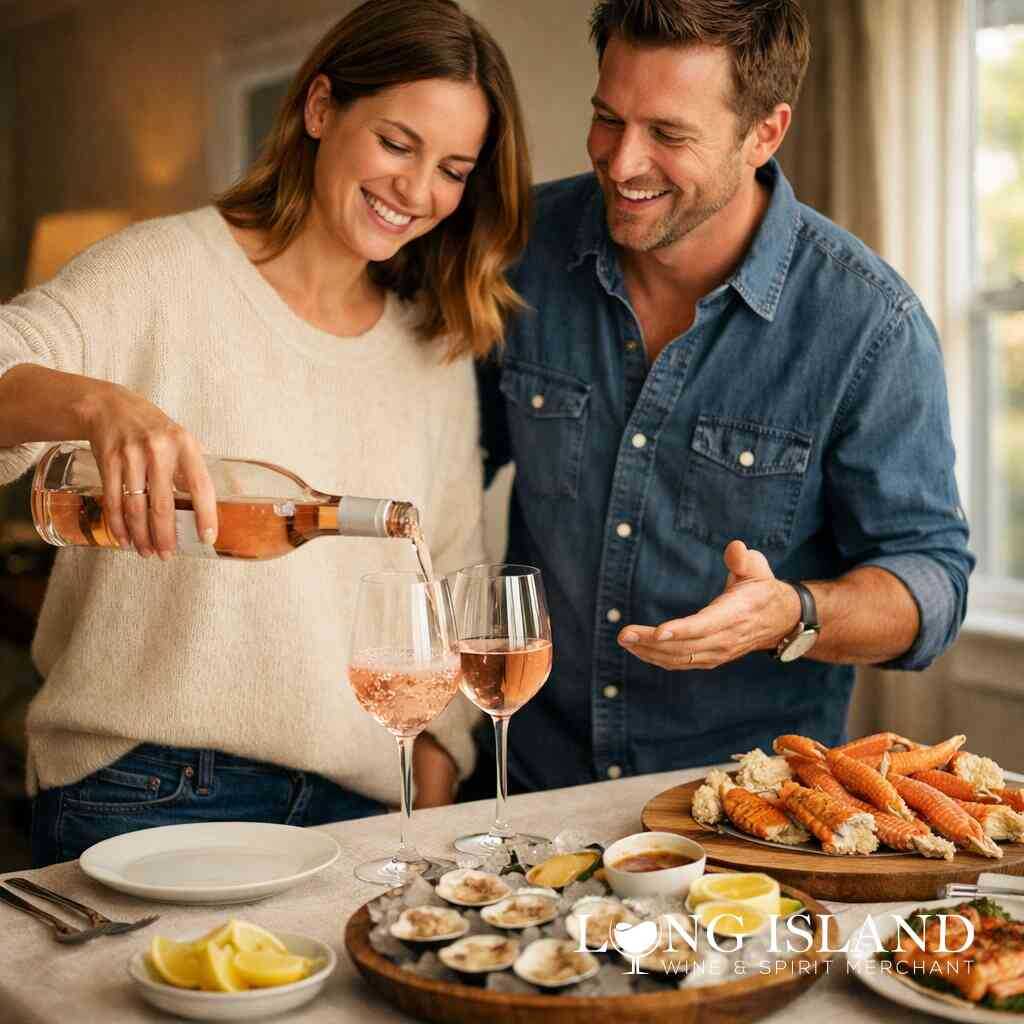
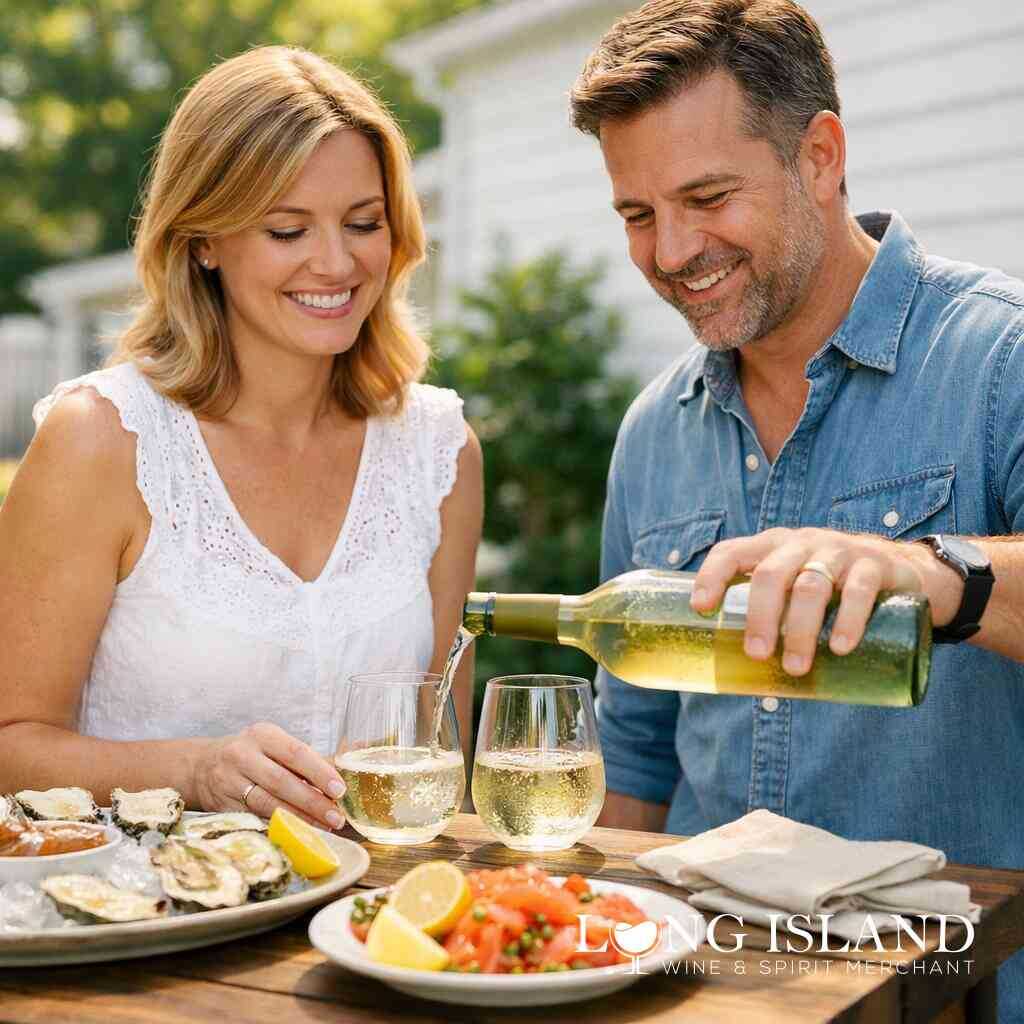
The bright, citrusy notes found in most pét-nat wines make them a natural companion for our local seafood. Imagine a chilled glass paired with freshly shucked oysters from the North Fork or a plate of local striped bass. The effervescence cuts through the richness of fried calamari, providing a clean finish. This is exactly the kind of alcohol delivery near me that turns a standard meal into a memorable local feast. You will find that the mineral undertones of these wines mirror the salinity of our surrounding waters perfectly.
2) Skin-Contact Orange Wine Trends
Orange wine, often called amber wine, is essentially white wine made like a red. By leaving the grape skins in contact with the juice during fermentation, winemakers pull out color, tannins, and a deeper range of flavors. This is a rediscovery of ancient techniques that bring something totally different to your glass. It has become a favorite for those looking to expand their horizons beyond the standard white and red selection. If you want to impress a guest with something truly unique, these bottles are the answer.
Demystifying the color and texture of amber wines
The vibrant, golden-orange hue comes directly from the grape skins rather than any added coloring. Because the juice sits with the skins for days or weeks, it gains a structural grip that most white wines lack. This texture makes orange wine remarkably food-friendly, capable of standing up to bold spices and roasted meats. Do not be intimidated by the name; it is simply a creative expression of the grape’s hidden depth. It is a fascinating experience for anyone who appreciates the craft behind a special bottle.
How maceration creates complex flavor profiles
Maceration is the process where the juice absorbs compounds from the skins, seeds, and stems. This creates layers of dried apricot, tea leaves, and wild honey that you do not get with standard pressing. The longer the contact time, the more structured and earthy the final result tends to be. It is a labor-intensive method that requires a steady hand, but the complexity is worth the effort. You are tasting the physical essence of the vineyard, preserved through time-honored tradition.
Serving tips for the best aromatic experience
Orange wines often benefit from being served at a slightly warmer temperature than your typical Sauvignon Blanc. If you take the bottle out of the fridge about twenty minutes before pouring, you allow the aromas to fully open up. Use a larger glass to let the wine breathe, which helps reveal the subtle floral and savory notes hidden within. Because these wines are often unfiltered, you might see a small amount of sediment, which is perfectly natural and safe. Treating these bottles with extra care makes for a rewarding tasting experience.
3) Biodynamic Viticulture and Terroir
Biodynamic farming goes beyond traditional organic practices by viewing the entire vineyard as a self-sustaining ecosystem. Producers use natural preparations and follow the lunar calendar to time their activities, from pruning to harvesting. This holistic approach focuses on the health of the soil, which in turn reflects the unique character of the land. Our customers are interested in the philosophy behind the bottle, knowing that healthy vines produce better wine. It is about working with nature instead of trying to control it.
Farming in harmony with the lunar cycles
Following the phases of the moon might sound mysterious, but for many farmers, it is a practical guide for vitality. These vintners believe that the moon’s gravitational pull affects the movement of sap within the vines. By syncing their work with these cycles, they aim to maximize the natural rhythm of the plants. It is a deeply committed way to farm, requiring patience and a high level of observation. The result is often a wine that feels more vibrant, energetic, and true to its origin.
The impact of soil health on final bottle quality
A vineyard with rich, living soil produces grapes that are packed with flavor and resilience. When the earth is free from synthetic chemicals, the roots can delve deep to access the minerals unique to that location. This creates a stronger connection to the terroir-that specific sense of place that makes a wine identifiable. Our about us page details our commitment to sustainable practices. When you drink a biodynamic wine, you are tasting the history and health of the soil itself.
Identifying biodynamic labels on our shelves
Look for certifications like Demeter or simply ask our staff about the farming philosophy of your favorite producers. We are proud to highlight winemakers who go the extra mile to protect the environment. Often, the back label will mention the lack of synthetic pesticides or the use of natural compost. These wines often stand out for their purity and a certain “alive” quality. Navigating our organic wine selection allows you to find these hidden gems that are better for the planet.
4) Minimal Sulfite and Additive-Free Reds
The movement toward “raw” or minimal-intervention reds is gaining traction among enthusiasts who value transparency. These winemakers use little to no sulfur dioxide, relying on cleanliness and native yeasts to guide the fermentation process. The result is a pure, fruit-forward wine that feels closer to a freshly picked grape than a highly processed product. It is a brave way to make wine, as it offers no place for flaws to hide. We are seeing more of our clients seek out these honest expressions of red wine.
The science behind raw wine production
Sulfites have been used for centuries to stabilize wine, but today’s producers are proving they can be used sparingly or avoided entirely. By maintaining a pristine cellar and using gentle handling techniques, winemakers can prevent oxidation and spoilage naturally. This requires a profound understanding of winemaking, ensuring the wine remains stable without synthetic additives. For the consumer, this means a clean profile that emphasizes the natural character of the fruit. Many people find they prefer the clarity and freshness of these low-sulfite bottles.
Exploring pure fruit expressions in red blends
When you strip away the heavy oak and artificial additions, you are left with the true soul of the grape. Red blends in this category often feature bright red cherries, wild berries, and spicy floral notes that dance on the palate. Without the veil of heavy processing, the quality of the vintage shines through with intensity. These are the kinds of wines that pair beautifully with a simple meal, allowing the food to shine alongside the drink. It is a refreshing departure from the over-oaked styles that dominated the market.
Storing low-sulfite bottles for maximum freshness
Because these wines lack the heavy preservatives found in commercial bottles, they appreciate extra care at home. We recommend keeping them away from direct light and maintaining a cool, consistent temperature. Do not let them sit in a hot car after your local liquor store pickup; get them into a controlled environment as soon as you can. If you plan on aging them, ensure your storage area is vibration-free to keep the delicate balance intact. When handled properly, these wines provide a clean and rewarding experience.
5) Sustainable and Vegan Wine Choices
Sustainability is a commitment to the future of our planet and our enjoyment of wine. Many winemakers are now adopting practices that reduce their water usage, support biodiversity, and minimize their carbon footprint. Additionally, we are seeing a rise in the demand for vegan wines, as traditional fining agents like egg whites or fish bladders fall out of favor. These choices reflect a growing awareness of how our daily habits impact the broader world. It is our mission to provide options that align with your values.

What makes a wine bottle vegan friendly
During the process of clarification, winemakers often use “fining agents” to remove proteins and yeast. While traditional agents are animal-derived, many modern producers now use bentonite clay, pea protein, or simply let the wine settle naturally. A wine is vegan when no animal-based products touch the juice from vine to bottle. This is great news for plant-based drinkers who previously had to guess about the ingredients in their favorite bottle. We take the guesswork out by highlighting these selections in our store.
Supporting eco-friendly producers from the North Fork
Long Island is home to some incredible custom case of wine options that prioritize the health of our local ecosystem. By choosing local, you are not only supporting our community but also reducing the energy needed for long-distance shipping. These North Fork producers are leaders in water conservation and cover-crop management, ensuring our region stays beautiful for generations. We love recommending these wines to guests who want a taste of home that is as responsible as it is delicious.
Finding sustainable gems in our current inventory
You do not have to sacrifice quality to find wines that respect the environment. Our fine wine and good spirits shop works closely with distributors to find producers who walk the walk. Look for the “sustainable” label on our shelf tags or ask one of our team members for a recommendation. We are always adding new arrivals that meet our high standards for ethical production. Whether you want a bold red or a light white, you can feel good about what is in your glass.
6) Ancestral Method vs Traditional Sparkling
The world of bubbles is vast, and understanding the difference between methods can change how you host your next event. The Traditional Method, famously used in Champagne, involves a secondary fermentation inside the bottle that takes years to complete. In contrast, the Ancestral Method is faster, more spontaneous, and yields a wine that feels rustic and alive. Both have their place at the table, but they offer different experiences for your palate. We want you to feel confident choosing the right fizz for your specific occasion.
Comparing production styles for your next party
If you are planning a formal wedding or a fancy corporate event, the classic complexity of a traditional sparkling wine is often the perfect choice. These wines offer those lovely toasted bread and almond notes that command attention. However, if you are hosting a casual pool party or a relaxed brunch, an ancestral-method pét-nat is likely a better fit. These wines bring a sense of fun and approachability that keeps the conversation flowing. Knowing the sparkling wine production helps you set the right tone for your guests.
Why natural sparkling wines offer unique character
Natural sparklers are often cloudy, less consistent, and full of surprising flavor shifts. They are not designed to be perfect by industry standards; they are designed to be expressive and joyous. You might find notes of wild yeast, tropical fruit, or even earthy herbs that differ from batch to batch. This unpredictability is exactly why people fall in love with them. It is like buying a piece of handmade art rather than a mass-produced print.
Selecting the right fizz for your wine rack
A well-stocked wine rack should have a balance of both classic and natural sparklers for different moments. We recommend keeping a bottle of crisp, traditional sparkling for those celebratory toasts that require elegance. Meanwhile, always have a bottle of chilled pét-nat on hand for those moments when you just want a great drink after work. By diversifying your collection, you are always prepared for whatever the evening brings. Let our wine store help you curate a rack that reflects your evolving taste.
7) Small Batch Farm-to-Glass Selections
There is something special about opening a bottle knowing that the winemaker touched nearly every step of the process. Small-batch wines are produced in limited quantities, allowing for meticulous attention to detail that larger wineries cannot replicate. These cases of wine are the gems of the wine world, often selling out before they hit the mass market. We strive to bring these limited releases to our customers on Long Island. It is the closest thing to visiting the vineyard yourself.
The charm of artisanal winemaking
Artisanal winemakers act more like craftspeople than factory managers, relying on instinct and experience to make daily decisions. They know their vines by name and monitor the fermentation with the care of a parent. This personal investment shows in the glass, providing a depth and personality that mass-market bottles lack. When you drink these wines, you are connecting with the person who spent months bringing the vintage to life. It is an authentic experience that makes every sip feel meaningful.
Why small production runs offer better quality
Smaller runs allow the winemaker to be selective, using only the best fruit from the harvest. There is no pressure to hit massive volume targets, which means the focus remains entirely on quality. If a certain block of grapes does not meet their standards, it simply does not make it into that specific label. This high level of scrutiny ensures that you are getting the absolute best expression of the vintage. You are paying for the craft, the attention, and the limited nature of the product.
How to secure limited natural wine releases
These limited wines do not stay on our shelves for long, so staying connected is key. Sign up for our newsletter to get updates on new arrivals and exclusive artisan wine imports. We also host regular events where you can taste these selections and meet the people behind the labels. If you see something you like, do not hesitate-these small-batch picks are meant for those who are ready to explore. We are proud to share these special bottles with our community, one glass at a time.
Frequently Asked Questions
Is it really possible to get natural wine delivery in Commack?
Yes, we offer natural wine delivery in Commack and throughout the surrounding Suffolk County area. You can browse our curated selection online, choose your favorite low-intervention bottles, and have them brought right to your door. We ensure that our delivery process maintains the quality of the wine, so your purchase arrives in perfect condition. It is the most convenient way to stock up on unique bottles without leaving your house.
What is the main difference between natural wine and conventional wine?
Natural wine is defined by its minimal intervention in both the vineyard and the winery. While conventional wine may use industrial yeasts, heavy filtering, and various additives, natural wine focuses on native yeasts and avoids unnecessary processing. It is about creating a “raw” representation of the grape and the land. By avoiding excessive additives, the wine often feels more vibrant and expressive of its terroir.
Are all biodynamic wines also organic?
While all biodynamic wines are farmed organically, not all organic wines are biodynamic. Biodynamic viticulture adds an extra layer of philosophy and practice, incorporating natural preparations and lunar-cycle farming. It is a more holistic approach that considers the entire farm as a single, living entity. If you are looking for the most sustainable options, both categories are excellent choices that prioritize the earth.
How do I know if a wine is vegan friendly?
Many vegan-friendly wines will state this on their back label, but it is not always mandatory. If a bottle does not mention it, you can ask our staff, who are familiar with the practices of the producers we carry. We actively seek out eco-friendly wine production methods and can guide you toward bottles that use earth-based fining agents. We want to ensure your selections match your dietary needs and values.
Can I get expert advice if I’m new to natural wines?
Absolutely, that is what we are here for at Long Island Wine & Spirit Merchant. You can take our wine taste quiz online, or stop by our shop on the Jericho Turnpike to speak with our knowledgeable team. We love introducing guests to new flavors and helping you find exactly what you like. Whether you are curious about orange wine or want to try your first pét-nat, we are happy to guide you.