Review of Long Island’s Wine Heritage and Its Future
December 16, 2025
Uncorking the Legacy of Long Island Wine Heritage
From Maritime Myths to Modern Merlot Success Stories
Long Island’s viticultural story begins with sea breeze and settlement lore. Early settlers believed grapes thrived because merfolk blessed the bays. While that myth charmed villagers, practical mariners noticed the moderating currents. Those currents kept spring frost at bay and lengthened autumn ripening. Over time, farmers replaced potatoes with vines searching for quality. Their determination unlocked soils layered by glaciers. Today, visitors explore the full narrative through the Long Island wine and spirit hub online. The platform preserves heritage while guiding modern palates.
Modern winemakers respect that origin yet push beyond folklore. They craft merlot with maritime salinity balanced by plush fruit. Cooperative research proved merlot loves Long Island’s lengthy growing season. Equal parts science and stubborn artistry turned regional bottles into competition champions. Consumers now associate Long Island merlot with polish rivaling right-bank Bordeaux. Local festivals celebrate these success stories, drawing families and serious collectors alike. Every poured glass echoes decades of resilience, experimentation, and neighborly collaboration.
North Fork Vineyards and Their Coastal Terroir Influence
North Fork juts into the Sound like an extended green finger, catching breezes on both sides. That geography creates daily temperature swings ideal for slow ripening. Grapegrowers treasure these conditions because acids stay crisp while tannins mature gently. For proof, explore the signature merlot selections from North Fork vineyards. The wines deliver black cherry, graphite, and gentle maritime salinity. Sustainable practices enhance that purity further. Producers limit irrigation, letting deep roots interpret glacial soils. The result is terroir authenticity in every glass.
Beyond merlot, North Fork cultivates cabernet franc, albariño, and even lagrein. Farmers experiment with cover crops to improve biodiversity. Oyster shells from nearby bays sometimes top vineyard rows to reflect sunlight and sweeten soil. Tasting rooms welcome guests with educational walks through vines, barrels, and aging caves. Each stop underscores the coastal terroir influence on texture and aroma. Enthusiasts leave appreciating how land and sea collaborate. That realization sparks loyalty and word-of-mouth fame across American cellars.
Hamptons Tasting Rooms as Gateways to Fine Wine and Good Spirits
The Hamptons may conjure images of grand beaches, yet its tasting rooms offer equally grand hospitality. Sleek barn-style architectures frame vine rows, blending luxury and rustic charm. Sommeliers pour estate cuvées while describing pairing ideas for seafood caught that morning. Visitors short on time can still access these bottles through the alcohol delivery service near me on Long Island. That convenience converts summer discovery into year-round enjoyment, even after vacation ends. Winemakers note increased repeat sales because digital reach complements on-site magic. This synergy supports both rural economies and consumer satisfaction. It also reduces carbon footprints by optimizing delivery routes.
Inside each Hamptons winery, art exhibitions, jazz brunches, and barrel tastings elevate the experience. These events invite novices and collectors to explore fine wine and good spirits side by side. Mixologists create cocktails with local botanical gins, aligning spirits with the wine narrative. That cross-category exploration keeps the tasting trail dynamic and inclusive. Guests often leave with diverse bottles that reflect their broadened palates. Such multidimensional engagement cements the Hamptons as a gateway rather than a single destination. Local artisans benefit too, selling cheeses, chocolates, and glassware crafted expressly for wine service.
Estate Grown Chardonnay and the Rise of Signature Whites
Chardonnay thrived quietly on Long Island before suddenly capturing critics’ attention. Clonal diversity, extended lees aging, and partial malolactic fermentation now define the house style. Barrel regimens vary, yet the common thread is restrained oak allowing orchard fruit to shine. Enthusiasts can explore outstanding examples through the estate grown chardonnay highlights near the Hamptons collection. Each pour reveals green apple, Meyer lemon, and subtle brioche accented by sea-spray freshness. Winemakers credit the thin topsoil over sandy loam for that crisp backbone. They also harvest at night to preserve aromatics. Fermentation temperatures remain low to enhance precision.
Beyond chardonnay, white wine experimentation flourishes with albariño, gruner veltliner, and riesling. The maritime climate provides enough diurnal swing to lock vibrant acidity into each berry. Stainless-steel and concrete eggs support texture without overshadowing varietal character. Culinary partnerships with local oyster farmers demonstrate flawless pairing potential. These collaborations promote a farm-to-glass philosophy rooted in sustainability. Consumers appreciate tasting the shoreline reflected in their wine glasses. As signature whites earn acclaim, they broaden Long Island’s reputation beyond red dominance, promising a balanced future for the region.
Climate Craft and Coastal Science Shaping the Vines
Maritime Climate Viticulture Driving Balanced Ripeness
Long Island sits between two great bodies of water, creating a maritime climate viticulture paradise. Cool breezes ease summer peaks and preserve acidity inside every berry. Nights remain temperate, preventing sudden frost that can shock tender shoots. This gentle rhythm supports balanced ripeness, so sugars rise gradually while tannins mature calmly. Growers celebrate the harmony that ultimately fills your wine glass with both freshness and depth.
Scientific mapping of vineyard temperatures highlights how shoreline airflow evens daily swings. Data loggers reveal fewer heat spikes here than inland New York vineyards. Consequently, vines experience less hydric stress, and irrigation often remains minimal. That natural advantage lowers input costs and aligns with sustainable goals cherished by local producers. Tasting rooms continually spotlight this equilibrium to visitors eager for authentic Long Island wine experiences.
Sustainable Vineyard Practices and the Farm to Glass Philosophy
Stewardship guides nearly every vineyard decision from pruning through bottling. Cover crops fix nitrogen, reduce erosion, and invite pollinators, enriching the coastal terroir influence already prized by fans. Many estates power wineries with solar arrays, shrinking carbon footprints and resonating with eco-minded drinkers. Barrel suppliers offer certified forests, ensuring oak aging complements environmental responsibility. Each thoughtful move strengthens consumer trust in fine wine and good spirits raised responsibly.
Transparency extends beyond the vineyard, weaving into distribution and education. Interactive field walks teach guests how compost teas replace synthetic sprays. Restaurants partnering with Long Island Wine and Spirit Merchant promote traceable pairings that travel minimal miles. Digital tools even forecast shipping emissions, letting shoppers choose greener options. These innovations echo the region’s farm to glass philosophy better than any marketing slogan. They remind patrons that enjoying wine can also honor the planet.
Cold Hardy Varieties for Climate Change Adaptation
Shifting weather patterns challenge tradition but spark creativity across the local wine movement. Growers evaluate cold hardy varietals such as lacrescent, arandell, and itasca that thrive in fluctuating winters. These grapes handle sudden temperature drops without sacrificing flavor complexity, fortifying vineyards against unpredictable seasons. Trials show crisp aromatics and bright acidity holding beautifully through barrel aging. Their success broadens Long Island wine selection while future-proofing harvests.
Experimentation spreads beyond experimental rows. Winemakers micro-vinify small lots, assessing sensory profiles before larger plantings commence. Consumers sample these releases during limited weekends, providing immediate feedback that guides planting decisions. Such engagement transforms patrons into research partners and deepens loyalty. As climate change adaptation continues, these cold hardy successes may redefine what locals consider the best wine for holiday tables.
Winemaker Collaboration Creating Terroir Driven Blends
Friendly rivalry fuels innovation among neighboring cellars. Enologists share phenolic data, compare canopy management, and swap cooperage notes during monthly gatherings. This openness accelerates learning curves and encourages terroir driven blends that honor micro-sites. A cabernet franc grown on sandy loam may join merlot from clay pockets, delivering nuanced structure otherwise unattainable. The resulting bottles often headline our wine rack as limited estate collaborations.
Collaboration extends into logistics, too. Transporting fruit at cooler dawn temperatures preserves aromatics, so wineries coordinate shared refrigerated trucks. That teamwork slashes fuel use and benefits every liquor store near me stocking these wines. Shoppers exploring the future of alcohol delivery innovations in New York appreciate how collective planning keeps bottles pristine door to door. It demonstrates that community spirit can advance both quality and convenience.
Cabernet Franc Potential Beyond the Merlot Benchmark
Merlot established the region’s reputation, yet cabernet franc now commands growing excitement. The grape ripens slightly earlier, dodging autumn storms while maintaining vibrant herbal tones. Coastal breezes soften its tannins, allowing elegant textures rivaling Loire and right-bank counterparts. Winemakers leverage gentle extraction and neutral oak to showcase plum, violet, and graphite notes unique to Long Island artisan plots. Critics increasingly name these cuvées among the island’s best wine achievements.
Cabernet franc also thrives in sustainable mixed plantings with pollinator borders and minimal sprays. That resilience pairs perfectly with the farm to glass philosophy celebrated by Long Island Wine and Spirit Merchant. Consumers building a custom case of wine frequently choose franc to balance richer merlot or sweet red wine selections. Its versatility with seafood, poultry, and charcuterie ensures year-round relevance on local menus. As demand rises, vineyards expand acreage, heralding a vibrant future for this once-supporting actor.
Palates in Motion and Digital Cellars of Today
Sweet Red Wine Trends and the Rose Wine Boom
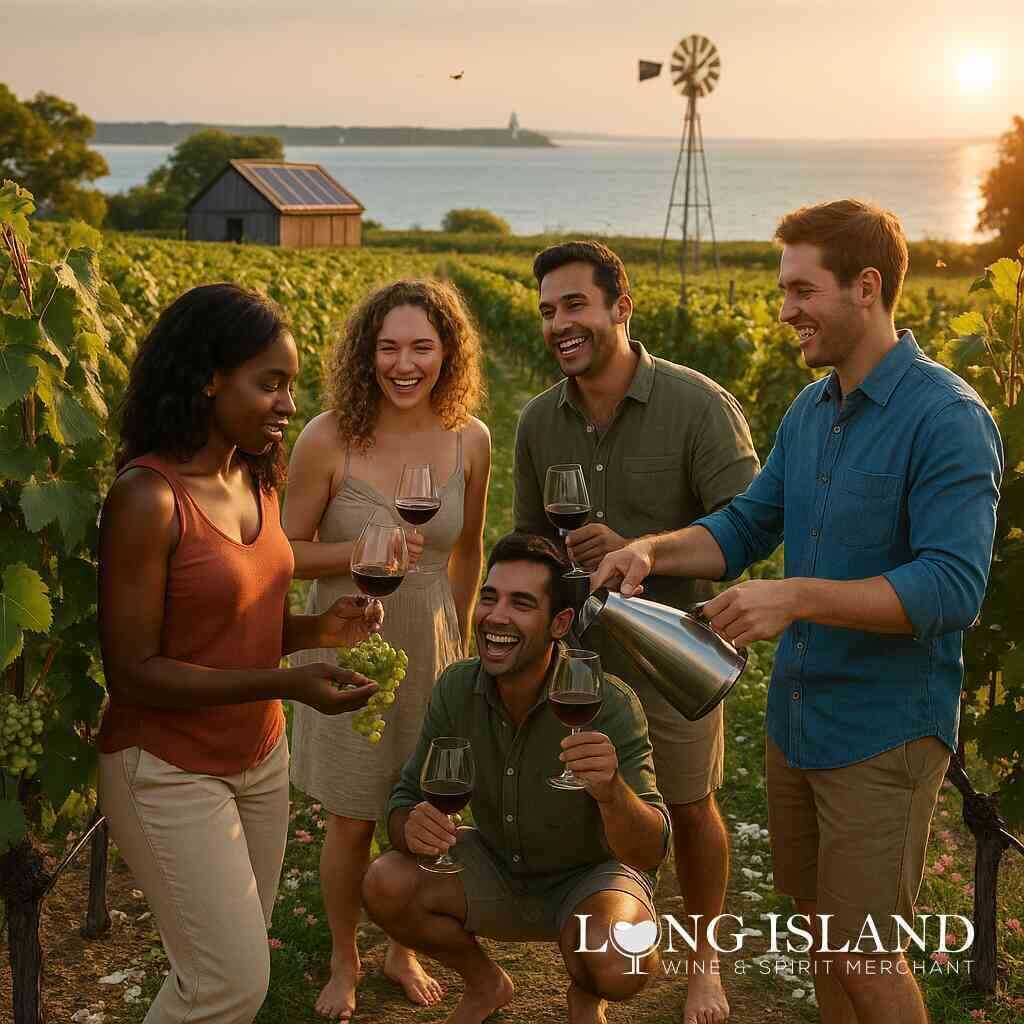
Long Island beach culture fuels color-filled glasses all season. Contemporary cellars spotlight sweet red wine that charms newcomers yet intrigues connoisseurs. Winemakers halt fermentation early, trapping berry perfume alongside refreshing acidity. Sipping these bottles feels playful, but technique remains precise and terror driven. Discover how artisans also shape pink success by exploring trending rosé wine styles for coastal tastings.
Vacationers crave variety, so wineries offer parallel flights featuring plush merlot-based sweets and bone-dry rosé wine. The contrast teaches that sugar level is just one dimension of balance. Sommeliers note that gentle chilling magnifies strawberry aromas in sweeter reds, making them patio favorites. Local restaurants in villages from Smithtown to Sag Harbor now recommend these reds with barbecue. Patrons can browse the sweet red wine selections adored in Smithtown to continue the experience at home.
Dry White Wine Excellence from Sauvignon Blanc to Riesling
While colorful bottles capture social feeds, dry white wine secures culinary respect. Sauvignon blanc, chenin, and riesling thrive in breezy vineyards, yielding citrus and mineral precision. Fermentation in stainless steel preserves electric energy, matching flawlessly with shellfish. Critics praise the wines for Old-World restraint yet New-World brightness. Readers can deepen understanding by unlocking Long Island’s complex dry white wine secrets.
Chefs across the Island craft pairing menus around these whites, proving their gastronomic versatility. Riesling’s whisper of salinity dances with seared scallops, while sauvignon’s herbal edge lifts garden salads. Tasting rooms educate guests on clone selection and lees contact, adding layers to each sip. The takeaway is clear: Long Island excels beyond red dominance. Every meticulous cellar visit confirms that fact.
Wine Taste Quiz Insights Fueling Custom Case of Wine Curation
Digital cellars turn data into delicious outcomes. Shoppers start with the interactive wine taste quiz for personalized picks, answering simple flavor questions. Algorithms translate answers into precise grape, style, and body recommendations. This guidance removes decision fatigue yet feels remarkably human. As preferences evolve, quiz results update, ensuring bottles always surprise positively.
Knowledge converts to action when customers design mixed orders. The platform’s build-your-own approach lets users fine-tune sweetness, region, and price. Those ready for doorstep convenience embrace custom case of wine ordering in Nassau and Suffolk. Each curated twelve-pack arrives labeled with serving tips, encouraging confident exploration. Repeat buyers report broader palates and fewer unfinished bottles languishing on the rack.
Alcohol Delivery Near Me and Direct to Consumer Shipping Innovations
Fast fulfillment now matters as much as fermentation skill. Long Island Wine & Spirit Merchant leverages cold-chain logistics to keep wine and spirits pristine. Mobile checkout automatically identifies the nearest dispatch hub, reducing travel time and preserving aromatics. Customers searching “liquor store near me” find same-day options, even during stormy weather. Transparency tools show real-time van locations, adding trust.
Shipping regulations vary, yet strategic partnerships ensure bottles clear compliance smoothly. The merchant’s national reach means distant alumni still enjoy Long Island wine heritage. QR codes on parcels reveal tasting videos that stream while corks pop. This omnichannel strategy turns dining rooms into virtual tasting rooms, bridging coastline terroir with inland living. Enthusiasts feel connected despite miles.
Boutique Winery Innovation with Microlot and Estate Releases
Ambitious vintners push boundaries through microlot experiments harvested from specific vineyard rows. Small fermenters isolate soil nuance, then native yeasts amplify personality. Final blends display tension, depth, and unmistakable place, thrilling collectors chasing rare allocations. Estate releases numbered by barrel encourage storytelling and deeper brand loyalty. Many bottles sell out exclusively through the merchant’s online wine shop before hitting shelves.
These innovations complement established labels rather than replace them. Visitors compare flagship merlot against tiny beaker blends, appreciating spectrum and scale. Feedback sessions yield immediate sensory data that guides future plantings. The process embodies the local wine movement where the community steers quality. Enthusiasts watch Long Island continually reinvent itself glass by glass.
Wine Gift Box Ideas Elevating the Experience Economy
Gifting moves beyond mere exchange when presentation feels bespoke. Curators design wooden crates, satin-lined tubes, and recycled fiber boxes that echo coastal textures. Customers browsing elegant wine gift box ideas for celebrations discover options tailored to birthdays, weddings, and corporate milestones. Each package includes handwritten notes and food pairing cards, transforming a bottle into a narrative.
Businesses leverage these boxes to thank clients with genuine local flair. Families add sparkling splits so every guest raises their own toast. Seasonal themes-harvest leaves or nautical rope-extend the story of Long Island wine heritage. Reusable designs encourage recipients to store keepsakes, reminding them of the shared moment. Thoughtful packaging thus amplifies the emotional value already residing inside your wine glass.
Pouring into Tomorrow and the Future of Long Island Wine
Sparkling and Pet Nat Expressions Expanding Local Portfolios
Fizz now fuels curiosity across tasting rooms, and Long Island winemakers answer with vibrant bubbles. Traditional méthode, charmat, and playful ancestral styles all appear on local pour lists. Enthusiasts exploring sparkling and pet-nat wine choices on Long Island notice maritime zest brightening every bead. These lively bottles bridge brunches, beach sunsets, and holiday toasts, proving our coastal terroir loves effervescence. Retailers like Long Island Wine & Spirit Merchant keep shelves stocked, letting celebrants find the perfect fizz without leaving home.
Producers develop pet nat from chardonnay, albariño, and even sweet red wine blends, each showing distinct aromatics. Lower alcohol and natural carbonation meet rising demand for mindful drinking. Sommeliers integrate these sparklers into flights beside dry white wine and rosé, teaching structure through contrast. Guests who ace the wine taste quiz often add a bottle to their custom case of wine. That convenient case delivers chill-ready enjoyment, proving bubbles belong on every wine rack year-round.
Tech Enabled Vineyard Monitoring for Precision Terroir Management
Data now drives decisions from budbreak to harvest throughout North Fork and Hamptons estates. Weather stations relay humidity, wind, and sunlight details every fifteen minutes, guiding irrigation precisely. Ground sensors trace soil moisture across glacial sand and clay pockets, revealing micro variations that once hid beneath vines. Drones equipped with infrared cameras detect canopy stress before human eyes notice yellowing leaves. This tech enabled vineyard monitoring protects Long Island wine quality while preserving aquifers and upholding farm to glass philosophy.
Software platforms crunch that sensor data alongside historical weather records from broader New York terroir influence on viticulture. Algorithms then forecast disease pressure, allowing organic sprays to be timed with surgical precision. Winemakers review dashboards on tablets while walking rows, adjusting leaf removal in real time. Efficiency saves labor and reduces carbon emissions, benefits celebrated by every environmentally conscious liquor store near me. Shoppers ultimately taste the result as balanced acidity and refined aromatics in their wine glasses.
Global Recognition through Long Island Wine and Spirit Merchant
Recognition once confined to regional festivals now spans oceans, thanks to direct shipping by Long Island Wine & Spirit Merchant. Influencers ordering a case of wine overseas post unboxing videos that amplify coastal terroir stories. International sommeliers then feature these bottles in comparative tastings, placing local merlot beside revered global benchmarks. Each positive review feeds momentum, positioning our long island wine store within conversations about world class producers. The merchant’s curated selection proves that fine wine and good spirits from a single peninsula can rival established titans.
Media outlets covering a global perspective on wine production and culture increasingly cite our region when discussing sustainability milestones. Awards for best wine packaging, low intervention techniques, and inclusive tourism further validate hard-won expertise. Travelers searching for liquor stores open during weekend getaways regularly route directly to Commack, trusting the expert staff for guidance. Reviews highlight transparent sourcing, clear tasting notes, and the helpful wine quiz that demystifies selection. Together these touchpoints strengthen Long Island’s role in worldwide conversations about quality and authenticity.
Building Resilience with Community and the Local Wine Movement
Resilience grows from shared commitment, not solitary effort, across our local wine movement. Growers host open field days where neighbours exchange pruning strategies tailored to shifting storm patterns. Community labs offer free pH testing, ensuring even small artisan cellars uphold regional standards. Collaborative purchasing of compost and beneficial insects lowers costs while boosting biodiversity across contiguous vineyard parcels. These grassroots actions safeguard livelihoods and protect the Long Island wine heritage treasured by residents and visitors alike.
Retail partnerships extend that spirit beyond farm gates. Long Island Wine & Spirit Merchant rotates producer spotlights, placing micro-labels beside bestselling caymus wine or taylor port. Customers sample unknown gems during complimentary tastings, then share discoveries across social feeds, multiplying awareness. When storms threaten harvest, the merchant donates supply kits and organizes volunteer pick crews, proving commerce and compassion coexist. Such integration between storefront and vineyard fortifies the entire supply chain against future uncertainties.
Vision of Fine Wine and Good Spirits for the Next Generation
Looking ahead, Long Island aims to nurture a generation that values terroir, technology, and tradition equally. School outreach programs turn science lessons into vineyard field trips, inspiring curiosity about photosynthesis and fermentation. Mentorship initiatives pair veteran winemakers with young interns, ensuring hard-earned wisdom transfers seamlessly. Scholarships for viticulture studies encourage local students to remain within the region, sustaining brainpower alongside vine power. These investments promise that every future bottle of fine wine and good spirits will carry community fingerprints.
Digital convenience will evolve alongside that human capital. Predictive inventory tools already ensure alcohol delivery near me arrives faster, fresher, and with lower emissions. Virtual reality tastings let distant supporters swirl simulated glasses while real bottles chill on kitchen counters. Gamified wine quizzes will deepen engagement, guiding buyers toward the best wine style for any occasion. Ultimately, the vision marries heritage with innovation, securing a vibrant, inclusive, and sustainable Long Island wine horizon.
Frequently Asked Questions
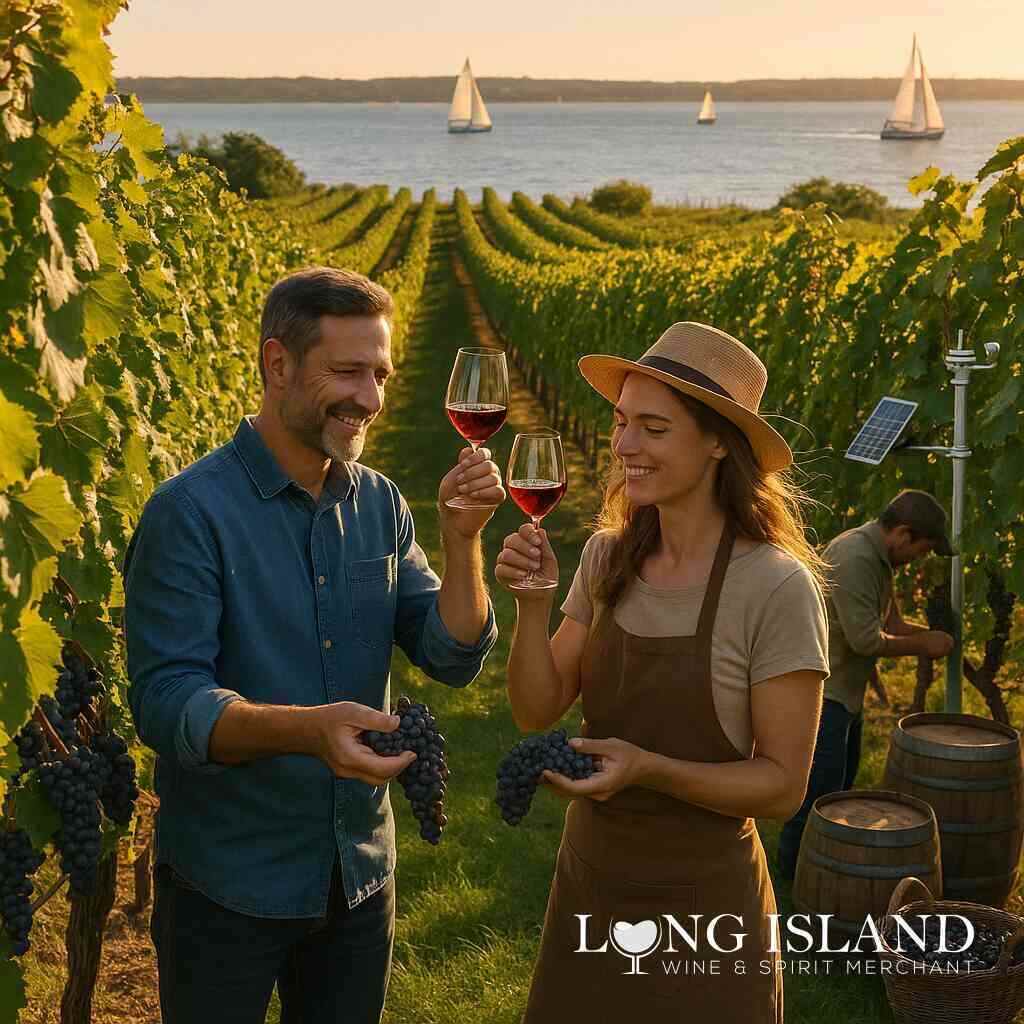 Question: How can Long Island Wine & Spirit Merchant help me experience the coastal terroir influence of North Fork vineyards without leaving my living room?
Answer: Our long island wine store keeps a rotating portfolio of North Fork merlot, cabernet franc, albariño, and other coastal gems right on our online wine rack. Because we offer same-day alcohol delivery near me across Suffolk and Nassau and ship to all 50 states, you can taste sea-kissed fruit in your wine glass within hours of ordering. Every bottle travels in temperature-controlled vans and eco-friendly packaging that preserves maritime salinity and fresh aromatics, letting you explore North Fork vineyards through fine wine and good spirits delivered to your door.
Question: The blog Review of Long Island’s Wine Heritage and Its Future praises the region’s merlot success story-why should I add Long Island merlot to my next custom case of wine?
Answer: Decades of winemaker collaboration have refined merlot into the benchmark for balanced ripeness on Long Island. Our custom case of wine builder features award-winning estate bottles layered with black cherry, graphite, and gentle maritime notes. When you select at least three merlots, we include free pairing cards so you can compare vineyards side by side. Because we curate directly from boutique winery partners, you receive competition-grade merlot at peak maturity-proof that Long Island wine heritage belongs in every serious collection.
Question: Can I order estate grown chardonnay and other sustainable whites through your alcohol delivery near me service, and how do you keep them fresh?
Answer: Absolutely. From barrel-fermented estate grown chardonnay to crisp dry white wine like sauvignon blanc and riesling, our Commack liquor store offers cold-chain delivery that maintains cellar temperature from our door to yours. Real-time tracking, insulated liners, and quick routes protect delicate orchard-fruit flavors and that signature coastal snap. Whether you choose a single bottle or a full wine case, you’ll taste the farm to glass philosophy without worrying about heat or light damage.
Question: How does the wine taste quiz decide whether I’ll love sweet red wine, rosé wine, or a boutique microlot release?
Answer: Our interactive wine quiz asks about everyday flavors-coffee strength, fruit preferences, even spice tolerance. An algorithm maps those answers to acidity, body, and tannin profiles across our wine selection. If you lean toward ripe berries and a soft finish, it recommends sweet red wine; if citrus and herbs excite you, expect dry white wine or rosé suggestions. Curious palates may get flagged for limited microlot and estate releases, which we reserve for quiz graduates. The result is fewer guess-work purchases and more bottles you’ll finish happily.
Question: With climate change pushing cold hardy varietals like lacrescent and itasca, how is Long Island Wine & Spirit Merchant supporting the future of fine wine and good spirits on the Island?
Answer: We partner with pioneering Long Island artisan growers who plant experimental blocks of these resilient grapes. Each vintage we secure small allocations, label them Future Terroir Spotlight, and share detailed vineyard data in the product description. A portion of every sale funds university research on maritime climate viticulture and sustainable vineyard practices. By stocking, promoting, and shipping these bottles nationwide, we ensure innovation reaches consumers and keeps Long Island wine tourism-and your wine glass-vibrant for decades to come.